Search Results
395 results for “cat tearing”
What medication should I use for a cat that is tearing and has heavy eye discharge?
Tearing and heavy discharge may come from overheating, irritants, injury, bacterial, or viral infection. Try switching to a lighter diet with more water and keep the eyes clean, then use a pet-specific anti-inflammatory eye drop if symptoms persist. If there is still no improvement, take the cat to a veterinary clinic for professional diagnosis.

What to Do When Your Cat’s Eyes Are Inflamed and Tearing
Red, tearing eyes are common in cats, usually from bacteria irritating the conjunctiva. The cause matters: simple conjunctivitis often settles in a few days, while viral infections like calicivirus or herpes need targeted care. Match the treatment to the underlying cause.
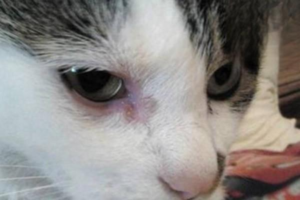
Why Your Cat’s Eyes Are Inflamed and Tearing Up
Eye inflammation is a common feline eye problem that won't clear up on its own, so it needs attention. Signs include constant tearing, swollen red eyes, and thicker discharge. Mild cases can be cleaned with cat-specific eye drops, but a vet check is the safe move when symptoms appear.

Why Does My Cat Keep Tearing Up? Causes and What to Do
Constant tearing in cats is rarely about emotion — it usually points to dust, diet, infection, or breed anatomy. Flat-faced cats are built to tear more, and most cases respond to gentle cleaning, but persistent redness or discharge means a vet visit.

Why Is My Cat’s Eye Tearing Up? Causes and Care
Watery eyes in cats usually point to irritation, infection, or feline herpesvirus rather than simple sadness, and the discharge is often the first sign owners notice. Most cases improve with gentle at-home care and good hygiene, but persistent tearing deserves a veterinary check.

How to Prevent Middle- and Inner-Ear Infection in Cats
Cat middle- and inner-ear infections usually start with an untreated respiratory infection or trapped moisture, so prevention means prompt care of sniffles, dry ears, gentle cleaning, and a clean, low-density home. Quarantine any new cat before it meets the resident crew.

Cat Cold vs. Feline Herpesvirus: What’s the Real Difference?
A cat cold is a mild chill-driven illness; feline herpesvirus (cat flu) is a serious, contagious respiratory disease, mostly FHV-1, often mixed with other pathogens. The herpes form attacks the eyes and mouth in ways a cold doesn't—and only the FVRCP vaccine and good hygiene keep it at bay.

Daily Cat Care Essentials
Routine cat care keeps small problems from becoming big ones: brush to prevent hairballs, clean the eyes and ears, trim the nails, and care for the teeth. Watch for parasites, ringworm, or wounds while you groom, and avoid fighting the cat's instincts.

Is Feline Rhinotracheitis (Cat Flu) Serious?
Cat flu (feline herpes/calicivirus) is mild in early stages — good food, warmth, and cleaning clear it — but late-stage signs like pus, eye cloudiness, and appetite loss need medication. Catch it early and most cats recover well at home.

How to Get Rid of Cat Tear Stains
Tear stains spring from diet, eye irritation, herpesvirus, or flat-faced breed anatomy, and the fix starts with better food, filtered water, and non-plastic bowls plus daily warm wiping. For non-infected stains, a dab of medical petrolatum lets tears evaporate before they mark the fur; for infected or inflamed eyes, use a pet antiseptic eye drop first, then the petrolatum.