Search Results
395 results for “cat tearing”
Can you help identify what causes my cat’s tear stains? They return after wiping; can’t tell if blood or inflammation; struggles when wiping.
Many causes; find the cause of frequent tearing first. Common: 1) unbalanced diet (too oily/salty/fatty) → low-salt hypoallergenic prescription food, more water, vitamins. 2) blocked nasolacrimal duct → hospital test, surgery to open (recurs). 3) viral disease (calicivirus, herpes) or chlamydia/mycoplasma/Bordetella → respiratory panel + treatment. 4) foreign irritation (dust, ingrown lashes) → eye specialist.
Are my cat’s eyes normal after bringing it home from the pet store?
A small amount of discharge at the eye corners is normal and usually related to diet—oily cat food can easily cause internal heat. If there is frequent, heavy eye discharge, clean it daily and switch to light, easily digestible food with more water. If you notice tearing, increased discharge, red eyes, or sneezing, see a vet.
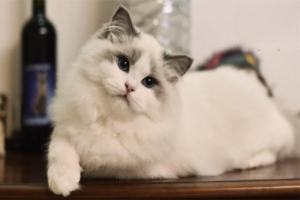
Why Does Your Cat Have One Eye Smaller Than the Other?
A cat with uneven eyes is not always sick; it can be genetic, or from feline herpesvirus (cat flu), an irritant, injury, heat, or an eye disease like conjunctivitis. Match the sign to other symptoms and see a vet if infection is likely.
What happens if a cat stays home alone?
Cats are used to being alone, so short alone time is fine. But some clingy cats may feel lonely and anxious when left long, showing furniture scratching, wire chewing, wall scratching, curtain tearing, inappropriate urination, not eating, sleepiness. Long anxiety can lead to spontaneous urinary blockage with little urine, bloating, frequent painful urination.
Why won’t my cat open its eyes and why does it tear up constantly?
Frequent tearing and not opening eyes has causes: 1) ingrown eyelashes irritating the eye—pluck them; 2) eye trauma causing pain; 3) a foreign body or allergen in the environment; 4) conjunctivitis, keratitis or other eye disease. If tearing persists, see a vet.
What happens if a dog gets cataracts?
Cataracts are common mostly in older dogs and usually develop with age; main symptoms include cloudy, blurred eyes, the pupil possibly appearing gray or white, and in severe cases complete blindness. The dog may also have eye pain, tearing, and increased eye pressure. Cataracts generally require surgery, such as lens implantation or phacoemulsification, removing the damaged lens and replacing it with an artificial one.
Is my cat catching a cold?
From the photo the cat has a runny nose and tearing, suggesting an upper respiratory infection, bronchitis, or feline rhinotracheitis. Typical signs are sneezing, coughing, and rapid breathing; causes include chills, poor husbandry, or herpesvirus. Bacterial cases use amoxicillin-clavulanate plus warmth.
White area in my cat’s pupil that grows with dilation and shrinks with contraction
White in the pupil is usually cataract or keratitis—both serious, hard to tell apart; need vet ophthalmic exam (slit lamp, pressure, retina, tears). Cataract is lens clouding blocking light; may be one or both eyes, can cause blindness, best treated surgically early. Keratitis shows discharge, tearing, eyelid inflammation—use anti-inflammatory drops and corneal-repair tears.
What is wrong with my cat’s eyes?
With limited info the exact issue can't be determined, but common signs are: tearing (irritation, blocked tear ducts, infection); redness/swelling (injury, conjunctivitis, keratitis); cloudiness (corneal ulcer, cataract); protruding eyes (hyperthyroidism, hypertension, glaucoma).
My cat has yellow nasal discharge, for over 20 days
If only nasal discharge with no cough or sneeze, it may be a nose-limited infection and fungal infection should be watched; take a sample to the vet. Upper respiratory infection or feline rhinotracheitis also cause yellow discharge, and with sneezing and tearing it is likely an upper respiratory infection. After so many days, see a vet to confirm and treat to avoid complications.