Search Results
124 results for “cat tapeworm”

Cat Deworming Schedule and Precautions
Parasites are among the few diseases preventable by routine care; timely deworming is key to a cat's health.

Cat Deworming: Methods and Timing
Parasites are among the few cat illnesses you can actually prevent. A regular deworming schedule protects your cat — and since many parasites are zoonotic, it protects you too. Here is what to know about internal and external parasites and when to treat.

How to Deworm a Cat With Parasites
Once a cat picks up parasites, it's a real problem because they can stunt growth and even kill. Roundworms, hookworms, filarial worms, and tapeworms each have their own signs. A proper internal and external deworming routine, timed around meals, clears them and keeps them away.

What Parasites Live Inside Cats
Cats can harbor several internal parasites, each with its own tell-tale signs. Roundworms, hookworms, filarial worms, and tapeworms differ in appearance and symptoms but all deserve prompt attention. A regular deworming routine is the simplest way to protect your cat's health.

Internal Parasites in Cats
Internal parasites are a common and potentially serious problem in cats, ranging from roundworms and hookworms to tapeworms and filarial worms. Left untreated, heavy infestations can stunt growth, cause anemia, and even prove fatal. Regular deworming is the most reliable way to keep them under control.

Does My Cat Really Need Deworming?
Even cats that never go outside can still pick up internal and external parasites, because owners may unknowingly carry flea eggs and worm larvae home on their shoes and clothing. Routine deworming plus a clean, regularly disinfected living space is the most reliable way to keep a cat parasite-free.
Do Cats or Dogs Have More Parasites?
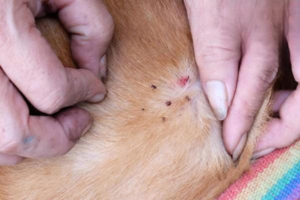
Cats and dogs share most parasites, so neither has 'more'; the load depends on environment and health. Roundworms, hookworms, tapeworms, and others cause real harm, and a regular deworming schedule keeps them down.

How Many Times a Day Should a Dog Poop?
Stool frequency and color reflect health — none for 1–2 days or over 4 times daily is abnormal. What is normal? Here is the detail.

Why Does a Kitten Keep Having Diarrhea?
Many causes - usually food or parasites - but constant diarrhea with poor appetite risks dehydration, so treat promptly. Here are the causes and fixes.

What Causes Watery, Foul-Smelling Dog Stools with Blood?
When a dog has watery stools with a bloody, foul smell, diarrhea, or blood in the stool, many owners first fear infections like parvovirus or coronavirus. But not only infections cause watery stools. This article explains the possible causes of bloody, foul-smelling diarrhea in dogs.