Search Results
3024 results for “cat symptoms”
What happens if my puppy drinks too much water?
A puppy that drinks too much water may show increased urination, a swollen belly, and poor appetite, and a sudden large amount can cause bloating, nausea, and vomiting. Over time it strains the kidneys, and in extreme cases rapid overhydration causes water intoxication (low blood sodium) — lethargy, weakness, seizures, even coma. Offer moderate, clean water and avoid letting a puppy gulp excess.
What should I do if my dog is allergic to crab?
Crab allergy shows as itching, hives, vomiting or diarrhea; see a vet for antihistamines and avoid crab afterward.
What causes drooling and seizures in dogs?
Drooling with seizures can mean epilepsy, low calcium, poisoning, nerve damage or brain parasites; get a full work-up at a vet at once.
My dog has mites, some areas are ulcerated, and it won’t eat — what’s wrong?
Based on the photos and description, the symptoms are mainly considered a secondary mixed bacterial infection after mite infestation. Without prompt treatment, excessive scratching easily leads to bacterial infection. For diagnosis, take the dog to a vet for a skin scraping microscopy. If mites and bacteria are confirmed, medicated baths plus topical or oral medication are generally recommended.
What happens if a puppy is bathed too often?
Over-bathing strips the skin's natural oils, causing dry coat, hair loss, dandruff, and itching, and can lead to eczema or dermatitis. It also washes away the dog's scent and raises the risk of colds in puppies with weak immunity.
My 2-month-old Ragdoll’s FCoV titer came back high on a checkup — is that serious?
A high feline coronavirus titer is common in kittens and usually not serious without ascites or other symptoms. Avoid stress, recheck regularly, and vaccinate on schedule to lower infectious-disease risk.
My hamster got superglue on its fur and chewed it off – will the fur grow back?
Fur chewed off after a superglue accident usually regrows. Here is how to care for the skin and when to worry.

Common External Diseases in Parrots
Parrots kept in captivity are especially prone to external conditions such as skin tumors, feather-plucking (self-mutilation), and scaly-face mite infestation. Understanding their causes, symptoms, and treatments helps you prevent them and act quickly if they appear.
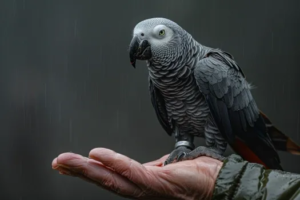
What to Do When Your Budgerigar Has Scaly-Face Mites
Scaly-face mite infestation in budgerigars starts as grayish, flaky bumps around the beak and feet and can spread to cause feather loss and beak deformity. Treat it by isolating the bird, applying petroleum jelly to suffocate the mites, and keeping the cage clean.

What to Do When Your Dog’s Eye Is Swollen
A swollen dog eye can stem from a foreign object, heat, injury, blocked tear ducts, infection, or allergies. Flush out debris, adjust diet, use vet-approved eye drops, and see a veterinarian if it doesn't improve or an allergy is suspected.