Search Results
3024 results for “cat symptoms”
My one-month-old Malinois had deworming yesterday and lost its appetite the next day — why?
Reduced appetite after internal deworming is normal; the medication irritates the gut and may cause mild vomiting, diarrhea, or appetite loss that usually passes in 1–2 days. If symptoms persist, rule out allergy or other illness and see a vet.

Kitten Vomited After Overeating—What to Do
A kitten's stomach is small, so eating too much or too fast easily triggers vomiting. Start by resting the gut with a short fast—1–2 hours (never long for under-three-month kittens, who risk low blood sugar)—then offer tiny amounts of water and easily digested food, building back up over a day or two. Tell simple overeating from illness by the cat's spirit, and head to a vet for frequent, bloody, or weakness-causing vomiting.

Why Does Dog Poop Start Dry Then Turn Loose?
When a dog's stool is dry at the start and loose at the end, it means the gut absorbed water unevenly: the first part sat long and dried out, while the last part moved through too fast to dry. Common, mild causes are diet change, holding stool too long, stress, or gut-flora imbalance. Persistent cases or those with blood, vomiting, or pain can signal megacolon, colitis, or other illness and need a vet.

Can Dog Kidney Failure Be Cured? The Honest Answer
Dog kidney failure splits into two very different pictures. Acute failure—from toxins, severe infection, or a blockage—can often be reversed if treated within about 72 hours. Chronic failure, common in older dogs, is irreversible because most function is already lost before signs appear; the goal then is to slow it down and protect quality of life. Both need a veterinarian's plan, not guesswork.

Can a Guinea Pig Cold Heal on Its Own?
A guinea pig cold rarely clears by itself. Unlike a human cold, it comes from different pathogens and the animal's immune defense is weak, so treatment is usually needed to ease signs and aid recovery. Symptoms are sneezing, clear nasal discharge, more eye discharge, lost appetite, and low spirits. See a vet early for diagnosis and the right antibiotics or supportive care; keep the cage warm and clean, offer vitamin-C-rich easy food, and ensure fresh water. Never medicate on your own, as wrong drugs can harm the pig.

How Is Dog Intestinal Obstruction Treated?
Intestinal obstruction splits into complete and partial forms; complete blockage is more dangerous, risking gut death, perforation, and shock, while partial cases start mild but can become complete if ignored, so treat early either way. Diagnosis uses abdominal X-ray or ultrasound to see gas, fluid, and the object. Treatment usually means surgery to remove the blockage, with partial or stable cases sometimes starting on fluids and support first; tumors or severe damage may require removing part of the bowel. Most dogs recover with prompt care, but delay can be fatal.

Why Do Dogs Get Intestinal Obstruction?
The most common cause of dog intestinal obstruction is swallowing a foreign object the gut cannot pass, with constipation from dry, hard stool as another frequent trigger. Lack of trace elements can cause pica that leads to eating odd things, and fast or large meals also play a role. Signs are frequent vomiting, early diarrhea that stops once the bowel empties, bad breath from gut fermentation, and abdominal pain with the dog biting or staring at its belly. Ultrasound or X-ray shows the blockage, though string may need a barium study. Treat early to avoid worse damage.
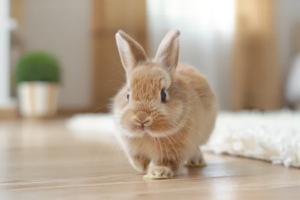
Common Urinary Tract Diseases in Rabbits
Rabbits often face urinary infections, urethral stones, and bladder stones, mostly from bacteria, low water intake, or too much calcium, while unspayed females are prone to uterine cancer. Infections show as incontinence and leaking; stones cause painful urination, blood, curling, teeth grinding, and can fully block the urethra. Bladder stones need fluid flushes and repair; urethral stones require surgery; uterine cancer needs tumor removal plus medication. Lower the risk by spaying early, keeping the habitat clean, ensuring ample water, and balancing the diet to avoid excess calcium.

What to Do When Your Guinea Pig Has a Cold
Guinea pig colds usually come from temperature drops or cold exposure, such as big day-night swings, sudden seasonal cooling, or chills after a bath, and weak immunity raises the risk. Signs include sneezing, clear runny nose, cough or wheeze, lethargy with poor appetite, and fever above 40°C. See a vet early for diagnosis and a plan, keep the home quiet, warm, dry, and clean, and skip baths while sick. Offer mild herbal dried grasses like chamomile or mint and a little vitamin C liquid to support immunity, using any medication only per veterinary guidance.

How to Prevent Heatstroke in Hamsters During Summer
All hamsters hate heat, so in summer, without proper cooling, they can quickly suffer heatstroke. Early signs are frantic running, excitement, and jumping; as it worsens, tremors, dehydration, and coma follow, and death can come fast without prompt first aid. Move the cage to a cool, airy spot, give plenty of water, and act at the first sign by cooling the environment and offering electrolyte fluid. Prevention means ventilation, constant fresh water, cooling tiles, and light, hydrating foods like cucumber and watermelon.