Search Results
3024 results for “cat symptoms”

Putrefactive (Saprogenic) Infections in Dogs and Cats
Putrefactive infection is wound infection by putrefactive clostridia and other bacteria after injury or poor healing. It causes foul, gassy discharge and non-healing tissue. Thorough cleaning and veterinary antimicrobials are needed.

Anaerobic Infections in Dogs and Cats
Anaerobic infections are caused by bacteria that grow without oxygen, producing tissue death, gas, and foul-smelling discharge. They often mix with pus-forming bacteria and can lead to gas gangrene, malignant edema, and late anemia or dehydration. Opening the wound to air and veterinary antimicrobials are key.

Sepsis in Dogs and Cats
Sepsis is a whole-body infection that arises when bacteria and their toxins spread from a local source such as a wound, burn, or urinary infection. It causes high fever, collapse, and organ damage, and is life-threatening without prompt care.

Abscesses in Dogs and Cats
An abscess is a pocket of pus walled off in any tissue or organ, usually from a bacterial infection. Shallow abscesses break and heal readily; deep ones can infect other organs. Draining and veterinary antimicrobials are the main treatments.

Cellulitis in Dogs and Cats
Cellulitis is a rapidly spreading infection of the soft tissue under the skin, usually from pus-forming bacteria. It causes hot, painful swelling and fever, and can progress to abscess or sepsis if untreated. Combined local and whole-body care stops spread.
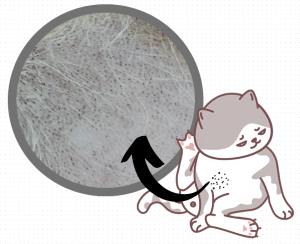
Black Dots on Your Cat’s Skin: Folliculitis, or ‘Black Chin’ and ‘Stud Tail’
Black dots on a cat's skin are usually the early sign of folliculitis, like blackheads, driven by excess sebum, blocked follicles, and bacterial infection. On the chin it is called black chin, and on the tail stud tail or oily tail, both managed with gentle localized cleaning and diet adjustments.
Using a Wood’s Lamp to Check for Cat Ringworm
Under a Wood's lamp in a dark room, ringworm caused by Microsporum canis makes infected hairs glow a translucent apple-green, especially at the roots. Other substances can fluoresce too, causing false positives, and a negative test does not rule out ringworm.

Furuncles and Furunculosis in Dogs and Cats
A furuncle is a localized skin abscess around a hair follicle; repeated or widespread furuncles are called furunculosis. They appear as small, painful pus-filled bumps and can progress to deep pyoderma. Good hygiene, parasite control, and veterinary care limit spread.

Folliculitis in Dogs and Cats
Folliculitis is inflammation of the hair follicles, often from bacteria, mites, or hormone imbalance. It causes hair loss, itching, and red, swollen skin, and can spread into deeper infection. Early diagnosis and antimicrobial care prevent it from becoming deep pyoderma.

Shock in Dogs and Cats
Shock is acute circulatory failure that leaves vital organs starved of oxygen. It can follow severe disease, trauma, or poisoning, and shows as pale gums, weakness, cold extremities, and collapse. Treating the underlying cause is the foundation of recovery.