Search Results
104 results for “cat summer care”

Amazon Mud Turtle
The Amazon Mud Turtle is a relatively scarce species of musk turtle that emits a musky odor when threatened. It reproduces slowly, so its wild population is in decline, and in the wild it feeds on insects, making it largely carnivorous.
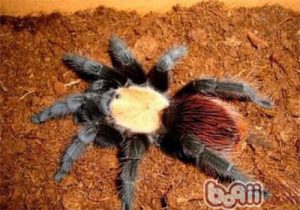
Mexican Golden Back Tarantula
The Mexican Golden Back Tarantula (Aphonopelma chalcodes) is a venomous desert-dwelling spider that can live up to 29 years. Despite its venom, it has a gentle temperament and is increasingly kept as a pet, earning it the nickname 'golden spider.'

Western Hermann’s Tortoise
The Western Hermann's Tortoise (Testudo hermanni) is a common, beginner-friendly tortoise with undemanding environmental needs and good disease resistance, though it carries a relatively high price. Native to Spain and southern France, it is a Mediterranean-species herbivore that also occasionally takes animal prey.

Oaxaca Mud Turtle
The Oaxaca Mud Turtle (Kinosternon oaxacae) is a type of mud turtle that aestivates in summer, burying itself in mud to cool down—hence its name. Living in slow-moving rivers, it hunts fish and shrimp in the water and is an omnivore that leans carnivorous.

Travancore Tortoise
The Travancore Tortoise (Indotestudo travancorica) closely resembles the Burmese Star Tortoise in appearance and shares its preference for a dry habitat. Though sometimes considered a subspecies of the Burmese tortoise, this has never been confirmed; it is a shy, inactive tortoise suited to simple husbandry.

Canine and Feline Thelaziosis (Eye Worm Infection): Symptoms, Treatment, and Prevention
Thelaziosis is caused by the nematode Thelazia (eyeworm) that lives under the nictitating membrane of dogs and cats, causing conjunctivitis and keratitis that can impair vision. The worms are physically removed and the eye treated.

Canine Heartworm Disease (Dirofilariasis): Symptoms, Treatment, and Prevention
Heartworm disease is caused by Dirofilaria immitis, transmitted by mosquitoes, and lives in the heart and pulmonary arteries of dogs (and cats). It is preventable with monthly preventives; adult infections require careful veterinary treatment.
What is the best water temperature for ranchu goldfish?
Ranchu goldfish do best at 23-28 C with careful, frequent water changes. Here is the care detail.

How to Prevent and Treat Dog Anxiety
Summer is hard on dogs and owners, not just from heat but from fireworks and travel; yet dog anxiety persists year-round under noisy, high-stress conditions.

What to Do When Your Dog Licks People
In most people's eyes, dogs are approachable, warm, and cute. Dogs have rich emotions and their own joys and sorrows, only each expresses them a bit differently. Among these, the dog's tongue expresses the most.