Search Results
427 results for “cat stress”

Can You Give a Dog Human Medicine for Diarrhea?
Not all human stomach medicines are safe for dogs, and the right choice depends on the cause. Mild food-related gastritis may tolerate a halved dose of a human antacid, but parasite- or stress-related diarrhea needs dog-specific care. Always match the treatment to the cause and never dose blindly.

Why Your Dog Throws Up Yellow Foam on an Empty Stomach in the Morning
A dog that vomits yellow bile each morning on an empty stomach is usually overproducing stomach acid from rich snacks, table scraps, or long fasting gaps. Feeding smaller, more frequent, easily digested meals in a calm setting and vet-approved acid reducers help. If vomiting persists after fasting or follows a virus or pancreatitis, see a veterinarian.

Why Your Dog Can’t Open Its Eyes
A dog that won't open its eyes is usually dealing with conjunctivitis, irritation, or a trapped foreign object. Gently cleaning the eye, using vet-approved drops, and trimming stray lashes clears most mild cases, but yellow-green discharge with fever needs a vet visit.

What Bloody Diarrhea in a Puppy Means
Blood in a puppy's stool is a clear warning sign that something is wrong, from a serious viral infection like parvovirus to parasites, a gut injury, or a simple chill. Watching the stool and the puppy's energy level tells you whether home care is enough or a clinic visit is urgent.

Cold Symptoms in Teddy Poodles: How to Tell
Teddy Poodles often catch colds without the usual sneezing or runny nose, so the clues are subtler — lethargy, lost appetite, heavier breathing, and mood swings. Feeling the nose and inner thigh for warmth is a quick way to confirm a fever before a vet visit.

What to Do When a 2-Month-Old Kitten Has Diarrhea
A very young kitten with diarrhea needs prompt care — its body isn't fully developed and dehydration is a real risk. Stress, a chill, or early gastroenteritis are the usual causes; comfort and warmth help, and a probiotic or a vet visit settles the gut.
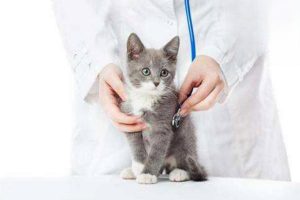
What to Do When a 2-Month-Old Kitten Has Diarrhea and Won’t Eat
A two-month-old kitten is mid-weaning and easily gets diarrhea from diet slips or the stress of a new home. Hold food briefly while keeping water available, use a vet-approved anti-diarrheal, stay on schedule with deworming, and add a probiotic to settle the gut.
- « Previous
- 1
- …
- 41
- 42
- 43