Search Results
102 results for “cat spring”
Caring for Your Cat During Spring Festival
For the holiday, plan your cat's care three ways. Staying home: stock ample dry food, extra water (evaporation and spills happen) and thick cat litter - one cat wants about three boxes; lay waterproof pads on sofa and bed in case of stress-peeing. Road trip: use a spacious airline crate (not a cat bag for long drives), let the cat adapt to it beforehand with treats and a blanket that release calming pheromones, pack pee pads and wipes, shield shy cats from view, and drive gently since cats get carsick. Boarding: ensure vaccines are current, pick a cat-dog separated, larger space, bring familiar items and pheromone gear. Not all cats suit this - under-six-month kittens, medicated or chronic cats, pregnant or post-birth cats need special care. After return, wait 2-3 days before bathing, and watch for blockage (a post-holiday high-risk period).
When Spring Makes Your Cat Restless
In heat, a cat grows more active and clingy, reeking of pheromones no bath can wash away, yowling at night and spraying - hard for any owner. But during this time, do not lose your temper and lock it away; isolation can cause depression. Do not push away an over-affectionate cat either, or you hurt the bond. And never spay during heat: wait until it passes, because enlarged ovaries from mature follicles are hard to remove cleanly and the cat may escape and get lost. Keep it safe indoors.
Why Cats Yowl in Spring (Heat) and What to Do
Spring brings the feline mating season and the sleepless yowling that comes with it. For cats not meant for breeding, spaying or neutering is the permanent fix - it ends the distress and lowers reproductive-disease risk for both sexes. If breeding is planned, wait until the female is 10-12 months and the male over a year, and isolate them from the opposite sex before then. Distract with play, gentle music or favorite food, and never use the dangerous 'cotton-swab method' or unproven 'heat-stopping powder'. This article covers heat timing, signs and precautions.
Spring Shedding and Heat Management in Cats
Spring brings shedding and heat cycles. Control loose fur with pet shampoo, regular brushing, low-salt beauty-coat food, and a calm mood; keep skin healthy with sun and exercise. For heat, a queen in season eats less and calls for toms, so feed well, confine her, and strictly prevent escape, especially before six months.
Preventing Common Spring Cat Diseases
Spring raises two risks. Urinary disease peaks in damp weather, driven by low exercise and water intake; watch for straining and act fast to avoid acute kidney failure. Colds strike with big day-night temperature swings; keep cats warm, dry, and sheltered from drafts, and seek care if they refuse food with a high fever.
What to Do When Your Cat Sheds in Spring
Cats shed all year, peaking at season changes—like swapping a 'new sweater' each quarter; it's normal and harmless. But heavy loss with ringworm or skin disease needs attention and possibly a vet. One follicle grows several hairs, making the coat dense and heavy; shedding lightens the load and, the joke goes, comforts the balding human. Shaving it all off isn't realistic (and your cat may never forgive you)—instead, brush regularly through the shed.
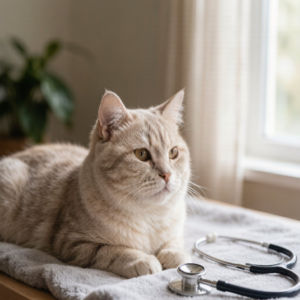
When Is the Best Time for a Cat to Develop Fuller Cheeks
Whether a cat develops those rounded, full cheeks (often called "face fluff") depends mostly on sex, genetics, and breed. Female cats rarely fill out this way; it is usually intact male cats that do. Breeds such as the British Shorthair, American Shorthair, Exotic Shorthair, Persian, Chinchilla, and orange tabby are naturally prone to it, while hairless cats, Devon Rex, Russian Blue, Siamese, Oriental, and calico domestic cats tend to stay slender-faced. Most male cats begin filling out between six and eight months of age, and a son of a full-cheeked father is more likely to follow suit. Good nutrition during this window makes the difference.
Does Bathing a Cat Replace Deworming?
A clean cat is not a parasite-free cat. Bathing only rinses away a few adult fleas or lice—their claws grip the hair root, so most adults stay put, and eggs and larvae are far too small to wash out. Ticks are worse: their mouthparts bury deep in the skin and need a tool to remove, not a rinse. Mites living under the skin or in the ear canal also survive a bath. And internal parasites—roundworm, hookworm, tapeworm, heartworm—live in the gut, blood, and heart, unrelated to how the coat looks. On top of that, cats should not be bathed often; frequent washing disrupts skin oils, dries the coat, and invites bacterial or fungal infection if not dried. This article explains why deworming is still essential, even for indoor cats, and a sensible schedule.

Understanding Cat Blood Types: A, B, and AB
Cats have three blood types, A, B, and AB, with a dominance order of A over B over AB, and a kitten's type is set by its parents. Type A is by far the most common and varies by breed: Siamese are all type A, Himalayans and Maine Coons are about 90% A, while Turkish Vans can be 60% type B. Blood type matters for safe transfusions and for breeding, because a type B queen nursing type A or AB kittens can trigger fatal neonatal isoerythrolysis. Always blood-type and cross-match cats before transfusion or mating.
What to Keep in Mind When Using Topical Flea and Tick Treatment on Cats
Cats can pick up external parasites at any time of year, so regular preventive treatment matters. Topical products come as sprays or spot-on drops, and their coverage depends on the active ingredient, so the right choice depends on your cat's lifestyle and the parasites it faces. Apply spots along the spine, dose by weight, avoid bathing for a few days, and use an Elizabethan collar to prevent licking. Kittens can start around two months old with monthly treatment; adults need it every one to three months, more often in warm seasons or for outdoor cats. Never use dog-only products containing permethrin on cats.