Search Results
1123 results for “cat skin”
What Are the Black Dots on My Cat’s Skin?
Those little black specks on your cat's chin, tail, or belly are usually the early sign of folliculitis—clogged, infected hair follicles that look like human blackheads. It is common, mild, and very treatable with gentle local cleaning, a lighter diet, and a few daily-habit tweaks. Here is how to recognize it and clear it up.
Why does a patch of my cat’s skin have no fur and show raw pink skin?
Patchy fur loss that exposes raw skin in cats usually means one of several things: the cat pulling out its own fur from itch or anxiety (watch for incontinence or mood changes), ringworm (hair loss with scaling, needing vet screening), or damaged hair follicles from trauma or a recent injection. Each needs a different approach, so a vet check is the safe call.

Skin Disease in Collies and Other Herding Breeds: Why Medication Must Be Chosen Carefully
Collies and related herding breeds often carry an MDR1 gene mutation that prevents normal drug clearance, making them dangerously sensitive to certain parasiticides such as ivermectin. Skin problems are treated as in any dog, but parasite control and other medications must be chosen with a veterinarian to avoid toxicity.

Acanthosis Nigricans (Black Skin Disease) in Dogs and Cats: Symptoms, Treatment, and Care
Acanthosis nigricans is a skin syndrome of itching and friction leading to thickened, darkened skin, seen mainly in certain dog breeds. Causes include allergy, hormonal imbalance, and obesity, and care combines itch relief, diet, and anti-seborrheic care.
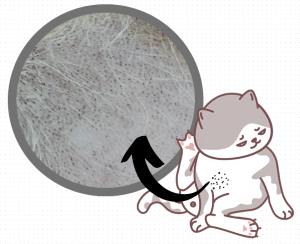
Black Dots on Your Cat’s Skin: Folliculitis, or ‘Black Chin’ and ‘Stud Tail’
Black dots on a cat's skin are usually the early sign of folliculitis, like blackheads, driven by excess sebum, blocked follicles, and bacterial infection. On the chin it is called black chin, and on the tail stud tail or oily tail, both managed with gentle localized cleaning and diet adjustments.
What medication can I give my dog for a skin allergy?
For a dog with a skin allergy, remove the allergen first. Mild cases may be relieved with vet-guided diphenhydramine or chlorpheniramine, while severe reactions need a desensitization shot from your vet. Identifying and avoiding the allergen is key.
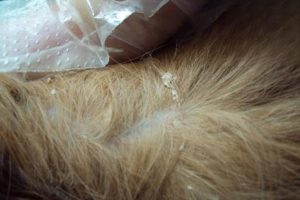
Is Matted Cat Fur a Sign of Skin Disease
Matted fur isn't automatically a skin disease; often it just means the coat wasn't brushed. But mats trap moisture and oil, creating a breeding ground for infection, and ringworm or an old wound can also cause clumping. Regular grooming and the right ringworm care keep the skin healthy.

How to Treat a Cat’s Fungal Skin Infection
Cats get fungal skin infections when their skin barrier is weak, from warm indoor air, play wounds, contact with infected cats, or low immunity. Treatment means clipping and medicating the spot, stopping licking, and boosting nutrition until it clears.
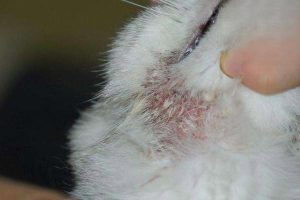
Why Is the Skin Around My Cat’s Mouth Red?
Redness around a cat's mouth is a sign of skin trouble, usually falling into one of three types: allergic, fungal or parasitic. Match the treatment to the cause—soothe allergies, fight fungus with an antifungal spray, ointment and medicated shampoo, or control parasites. A vet confirms unclear cases.

What to Use for a Cat’s Skin Infection
Most cat skin problems are fungal, thriving in contaminated environments and among cats with weaker immunity. Treatment means disinfecting the home, stopping the cat from licking sores, and applying antifungal ointment and spray to clipped, cleaned patches. A medicated shampoo supports bathing during recovery.