Search Results
316 results for “cat skin disease”

Boarding Your Pet at a Pet Store for the Holidays: Pros and Cons
Holiday boarding at a pet store offers supervision, socialization, and grooming, but carries risks of infection, careless staff, and post-boarding stress. Inspect the facility, confirm vaccination, and use a written contract.
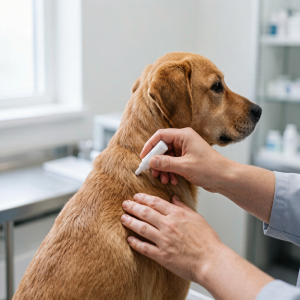
What to Know About Flea Prevention for Pets
Fleas harm not only pets but the whole household. Few things ruin summer fun like these tiny, nearly invisible parasites that plague pets and their owners.
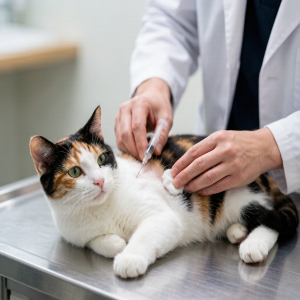
Feline Leukemia: Symptoms and Treatment
Feline AIDS and feline leukemia are topics owners avoid; clinically similar yet different. There is a separate article on feline AIDS for those interested.
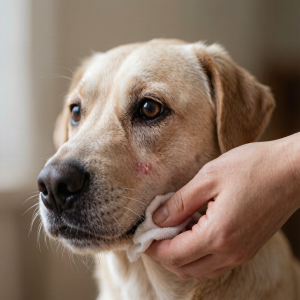
What to Do for Acute Moist Dermatitis (Hot Spots) in Dogs
Hot spots (also called acute moist dermatitis or pyotraumatic dermatitis) are localized, moist, red lesions of skin caused mainly by self-trauma. Acute moist dermatitis is a common skin disease in dogs. It often appears in long-haired and thick-coated breeds and is more common in summer.

Why You Should Groom Your Dog Regularly
When you bring your dog out of the grooming salon, your pet usually looks refreshed, not only handsome and beautiful but also very energetic. Good regular grooming keeps your dog clean and comfortable all year round. Most groomers will recommend grooming your dog every 6 to 8 weeks, but the exact frequency may depend on the dog's breed, lifestyle, and your styling preferences for your pet. Knowing your options in advance can help you communicate better with the groomer and develop an effective grooming plan.

What to Do About Contact Dermatitis in Dogs
Contact dermatitis is an uncommon skin condition in dogs, mainly caused by contact with plants, drugs, and various chemicals. It is less common in animals than in people because a dog's skin is well protected by its coat, so it appears on sparsely haired areas. This article explains the allergic and irritant types and how they are diagnosed and treated.

Symptoms of Demodectic Mange (Demodex) in Dogs
Demodectic mange is a very common skin disease in dogs, caused mainly by abnormal proliferation of Demodex mites. Every species, including humans, has its own mites. Demodex rarely causes disease in cats, horses, cattle, or people because it is not contagious. This article lists the skin signs and the juvenile and adult forms.

How to Prevent Parasites in Dogs
A parasite is an organism that lives in another organism, called the host. The dog is a host for parasites. Often, the parasite needs the dog's body to survive and can harm the dog.

Symptoms and Treatment of Dehydration in Dogs
Dehydration occurs when the body's water falls below normal levels, usually involving loss of water and electrolytes such as sodium, chlorine, and potassium. This article describes the signs of dehydration in dogs, how it is diagnosed, and how it is treated.
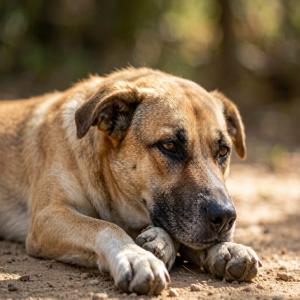
Causes and Diagnosis of Dehydration in Dogs
Dehydration can be caused by many diseases or abnormalities, which fall into two broad categories: reduced fluid intake and increased fluid loss. This article explains the common causes and how veterinarians grade dehydration severity by skin elasticity and lab tests.