Search Results
73 results for “cat sitting”
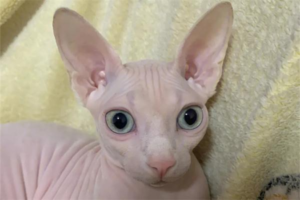
Which Cat Breeds Rarely Bite? (And Why Personality Still Wins)
If you worry about being bitten, choose a naturally gentle breed: Ragdoll, British Shorthair, Maine Coon, Birman, exotic shorthair (Exotic), Siamese, Sphynx, and orange tabbies are widely seen as low-aggression, friendly, and people-oriented, good for families with kids. Ragdolls go limp and forgiving, British Shorthairs warn with a soft paw, Maine Coons show feeling by walking away, and orange tabbies are affectionate but prone to weight gain. Yet every cat is an individual, and even these breeds can bite if pushed past their limits. Learn each cat's boundaries, respect its feelings, and avoid over-stimulating it.

Why Is Your Cat Withdrawn or ‘Autistic’?
A cat that seems 'autistic' or withdrawn may have a congenital communication disorder, or may have become so from abuse, a cold or distant owner, long-term caging, or past trauma and fright. Signs include little curiosity, isolation in corners, dulled reactions, sleep and appetite loss, and in severe cases self-harm. These cats need extra love and companionship, gentle interaction, and confidence-building, and should never be abandoned, since a withdrawn cat struggles to survive outdoors.

What Kinds of Cats Are the Most Affectionate
Cats have a reputation for being aloof, so when one chooses to cuddle and beg for attention it feels like a real win. Affection shows up as following you room to room, jumping on your laptop, sleeping in your bed, sitting on your lap, meowing or pawing for notice, and rubbing its face on you. Male cats tend to be cuddlier than females because they act on instinct and, after neutering, pour that need for contact onto their owner. Breeds like American Shorthair, Ragdoll, Maine Coon, and Siamese lean affectionate. Build trust by meeting the cat's needs and respecting its space, but beware over-dependence: too much clinginess can become separation anxiety, a real stress disorder worth managing.

Why Cats Drink With Their Paws
Many owners are puzzled when a cat scoops water with a paw instead of lapping from the bowl, and wonder how to stop it. The habit usually points to something practical: a bowl so narrow it touches the whiskers, water sitting too low, a preference for moving water rooted in wild ancestry, fading eyesight in older cats, or a lack of security that makes the cat watch its surroundings while drinking. Once the real cause is fixed — a wider bowl, fresher water, a fountain — most cats drop the pawing. Gentle, consistent redirection does the rest.

The Hidden Meanings in Your Cat’s Tail
A cat's tail is a rich mood telegraph. A tail held high and quivering while the cat rubs on you is pure trust and affection (it recalls mother cats stimulating kittens to eliminate). A still tail with a hooked tip means content and relaxed; an upward wag while weaving around you is begging like a dog; a low or tucked tail signals fear; a tail sweeping the floor means alert and about to act; a puffed, thrashing tail is a clear 'back off' before attack. When the tail is perfectly still, the cat trusts you most—like family.

Recipe: Homemade Chicken Floss for Cats
Chicken floss is a soft, powdery topper few cats refuse — great for picky eaters and cats that need to gain weight. Slice chicken breast into strips and dehydrate at 65 °C for about eight hours (dry it thoroughly, unlike jerky which keeps some moisture), then grind it into floss. Serve it mixed into kibble; cats often eat a full breast's worth in one sitting, and their appetite noticeably improves.

How Much Should a Cat Eat Each Day?
Feeding style and portion size both matter. Free feeding suits a cat's natural graze-and-return instinct and saves effort, but risks overeating and stale food; timed, measured meals (ideally 3–4 times a day via an automatic feeder) make it easy to control intake and spot changes. To calculate portions, use the weight method for raw/fresh food and the calorie method for kibble: a 5 kg adult cat needing 70 kcal/kg takes about 87.5 g of a 400 kcal/100 g food. Kittens need the most energy per kg, adults less, and neutered cats least — but always adjust to your own cat's condition.
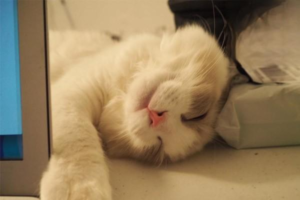
How to Choose and Switch Your Cat’s Food
Picking the right cat food and changing diets slowly protects a sensitive stomach. Look for high animal protein, balanced fat, and added taurine, and transition over about a week.

What to Know Before and After Cat Spay or Neuter
Cats can be spayed or neutered from about six months old, and a smooth procedure comes down to good preparation, the right surgical package, and careful recovery. Knowing what to do — and what to avoid — prevents most complications.

How to Express Your Dog’s Anal Glands Correctly
The anal glands are two small sacs at roughly the 4- and 8-o'clock positions around the anus that release a foul fluid; when they back up they cause sacculitis, odor, and infection. Express them about monthly by pressing upward and inward at those spots — wear gloves, and see a vet if the fluid is bloody or won't come out. Small dogs and meat-heavy eaters clog more often.