Search Results
86 results for “cat shedding”
Why Is Your Cat Shedding?
Shedding is often normal: kittens lose soft baby fur around 4–8 months, and all cats do a seasonal coat change in spring (March–May) and autumn (September–November). But it can also signal trouble—external parasites (mange mites, fleas) cause redness, itching and hair loss; poor nutrition or too much salt weakens the coat. Rule out illness, then manage loose hair with a vacuum and a de-shedding tool. Never over-salt the food, and keep protein and vitamins adequate.

Is Your Cat Shedding Just From the Season
Shedding has many causes beyond the seasonal coat blow, from poor nutrition to mites and ringworm. Tell the difference by the pattern: even, whole-body loss is normal, while patchy loss with scratching needs treatment. Good food, isolation, and a clean home keep excess shedding in check.
Spring Shedding and Heat Management in Cats
Spring brings shedding and heat cycles. Control loose fur with pet shampoo, regular brushing, low-salt beauty-coat food, and a calm mood; keep skin healthy with sun and exercise. For heat, a queen in season eats less and calls for toms, so feed well, confine her, and strictly prevent escape, especially before six months.
Helping Your Cat Through Shedding Season
As temperatures rise, cats shed heavily and fur flies everywhere—a seasonal battle every owner faces. Shedding is natural, but shaving the cat is a bad idea (it risks skin disease, chills, and ugly regrowth). Expect more hairball vomiting, and fight back with three tools: a good brush to cut daily loose fur, a lint remover (brush for furniture, roller for clothes), and a sweeper (robot, vacuum, or damp mop) for floors. A little extra hairball paste in season helps too.
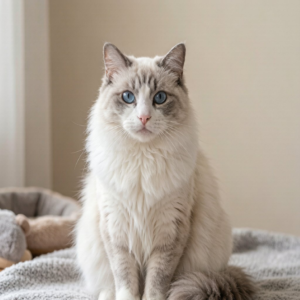
How to Reduce Heavy Shedding in a Ragdoll Cat
A Ragdoll's heavy shedding can stem from seasonal change, poor diet, weak care, stress or an underlying health issue. Brush regularly to stop mats, bathe on a sensible schedule with a gentle cat shampoo, and avoid salty or greasy food while adding omega-3 and vitamins for skin and coat. Keep the home calm and quiet, and if shedding stays severe, have a vet rule out skin disease, allergies, parasites or hormonal problems before treating.

Why Your Cat Is Shedding
Both long- and short-haired cats shed daily, and you can't stop it, only manage it. Seasonal change, the wrong shampoo, or stress are the usual reasons, with endocrine disease a rarer one. Brush often, use a cat-specific wash, and comfort a stressed cat to cut the loss.

How to Reduce Shedding in a Ragdoll Cat
Ragdolls are long-haired and shed year-round, with a heavy blowout as kittens around three to four months. The fix is mostly daily grooming, a coat-friendly diet, and infrequent proper bathing — and a vet check if the coat suddenly thins.
Why Does Cat Fur Become Matted and Hard?
Matted, hardened fur is a common and frustrating problem for many cat owners, and it can seriously affect a cat's comfort and appearance. The issue usually stems from poor grooming habits, an unbalanced diet that lacks essential vitamins and protein, or underlying health problems such as skin infections, inflammation, or fungal disease. When fur is not brushed regularly, loose hairs tangle together and trap dirt, forming tight, stiff mats. In most cases the problem can be prevented and improved through daily brushing, a balanced diet, and routine professional grooming. However, if matting appears together with skin redness, hair loss, or other abnormal signs, a timely visit to the veterinarian is the safest approach.

100 Essential Tips Every New Cat Owner Should Know
Bringing home a first kitten is exciting but daunting, and poor care can hurt both of you. These 100 essentials cover diet (life-stage food, toxic grapes/chocolate/onion/garlic, no bones or raw meat, fresh water), daily care (brushing, nail and ear cleaning, litter hygiene, n+1 boxes), health (vaccines at 8–12 weeks, deworming, normal temperature 38–39.2°C, spay/neuter, no human meds), behavior (slow blinks, tail talk, no punishment), and home safety (screens, hiding wires, toxic plants, no smoke). Read them once and you'll share a calmer, healthier life with your cat.
What Are the Black Dots on My Cat’s Skin?
Those little black specks on your cat's chin, tail, or belly are usually the early sign of folliculitis—clogged, infected hair follicles that look like human blackheads. It is common, mild, and very treatable with gentle local cleaning, a lighter diet, and a few daily-habit tweaks. Here is how to recognize it and clear it up.