Search Results
131 results for “cat shaking”

Ear Mite Infestation in Dogs and Cats (Otodectic Mange): Symptoms, Treatment, and Prevention
Ear mites (Otodectes cynotis) are highly contagious parasites that infect the outer ear canal of dogs and cats, causing intense itching, head shaking, and dark waxy debris. Treatment combines ear cleaning with parasiticides and control of secondary infection.

Ear Mites in Cats and Dogs: Symptoms and Treatment
Ear mites are a common ear parasite in cats and dogs that trigger allergy and can lead to secondary infection. Itching, head-shaking, and dark debris are the classic signs — and a 2-3 week cleaning plus medication plan clears most cases.

Cat Ear Mites: Symptoms and Care
Ear mites spread easily between cats through contact and cause intense itching and dark ear discharge. Clean the ear first, then apply a vet-recommended topical treatment — and see the vet if pain or balance loss appears.
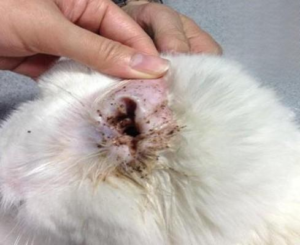
Cat Ear Mites
Ear mites are a common cat skin problem, often triggered by environment or outside factors. They leave greasy, smelly, itchy debris in the ear that needs prompt cleaning and treatment. Regular ear and bedding hygiene keeps them from coming back.

How to Remove Fleas from Your Cat
Not seeing fleas does not mean they are gone; eggs may hide in the coat. Watch for constant licking, restlessness, and anemia, then treat with monthly parasite control, daily vacuuming, and hot-washed bedding.

Why Do Cats Get Ear Mites?
Ear mites take hold when ears aren't cleaned and oil and bacteria build up, or when bath water is left damp; they also spread from dogs. Signs are inflamed, crusted canals with brown debris and head shaking. Clean daily, deworm regularly, and disinfect the home.

Symptoms of Ear Mites in Cats
Ear mites cause relentless ear scratching, head shaking, and dark brown debris in the canal; untreated they invite bacterial infection and otitis. Clean the ears daily with a pet ear solution, deworm regularly, and keep the environment disinfected.

How to Recognize Ear Mites in Your Cat
Ear mites spread easily between cats and dogs through close contact and are most common in kittens. Look for dark, crumbly ear discharge, head shaking, and scratching around the ears and neck — and isolate an affected cat to protect the rest of the household.

Why Is My Cat Shivering on and Off?
Intermittent shivering is not normal and usually means your cat is cold, unwell, or dealing with something more serious. A cold is the common cause, but lingering tremors can signal nutrient gaps or a neurological problem. Persistent or unexplained shaking should be checked by a vet.

How to Get Rid of Fleas on Your Cat Fast
The fastest fix for cat fleas is a topical spot-on treatment, but combing, medicated baths, and a clean home all help. Treat the environment too, or fleas simply return within days.