Search Results
131 results for “cat shaking”

What to Do When a Cat Is Sleepy and Lethargic, and Signs of Illness
Lethargy after vaccination is usually a brief, harmless reaction, but disease can also cause it. If the cat still eats and acts normal when awake, it is likely fine; if appetite drops with low energy, see a vet. Other warning signs include vomiting, diarrhea, eye/nose discharge, drinking trouble, ear scratching, and skin itching.

Why Is Your Cat’s Ear Bleeding?
A bleeding ear usually means trauma, a middle-ear infection, or ear mites — and if you see no wound, an endoscopic exam is wise to rule out deeper disease. Treat minor scrapes at home, but let a vet handle severe infection or persistent bleeding.

Tips for Bathing Your Cat
Bathing a cat is manageable with the right approach: choose mild, dry weather, wet the coat gradually rather than dunking (head last), keep water at 38–40 °C with a thermostatic valve, and use only a pet-specific, low-odor shampoo. For skin issues like chin acne or a greasy tail, a medicated formula may be appropriate.

Precautions for Deworming Your Cat
To deworm, first know how cats get parasites. Deworming is key to health, especially for newborns. Here are the precautions.

Daily Cat Care Tips
Many prospective owners worry about what to watch for and whether it's troublesome. Cats love cleanliness—they groom with their tongue and wash their face after eating, spending ~15% of the day on coat care—but owners still have work to do.

Cat Rhinitis: Symptoms and Treatment
Rhinitis is common in people, dogs, and cats alike. For a pet cat with rhinitis, here are the symptoms and how to treat them.
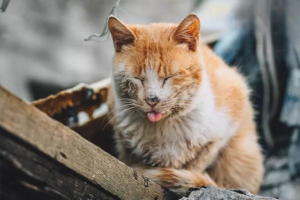
Common Causes of Shivering in Cats and Dogs and How to Manage Them
Shivering is body trembling from cold, emotion, disease, or weakness—common in pets, and seizures include it. Causes range from simple cold to poisoning or infection; this article reviews them.

Why Does Your Dog Keep Shaking—Is It Cold?
Shaking isn't only cold or fear. It can also mean excitement, illness (kidney failure, distemper, injury), or poisoning (morning glory, castor bean). Watch closely; frequent or nonstop shaking needs a vet.

Upper Respiratory Diseases in Dogs and Cats: Types and Treatment
Upper respiratory disease is common in dogs and cats, with sneezing, tearing, low appetite, and breathing trouble, and it often triggers secondary infections. This guide covers colds, nosebleed, rhinitis, laryngitis, and tonsillitis, with the drugs that help each.

How to Tell If Your Cat Has Ear Mites
Ear mites cause intense itching, brown flaky earwax, foul odor, and head-shaking in cats. Confirm by checking the ears, then clean with an ear solution, apply miticide drops, and deworm the whole body. Regular checks and a clean, sunny environment prevent recurrence.