Search Results
39 results for “cat safe plants”
Which Plants Are Safe for Cats to Eat?
Plants are a fun, near-zero-nutrition snack; cats eat grass mainly to clear hairballs and gut debris. The good news is several non-toxic plants are safe to grow at home, pleasing your eye while keeping the kitten safe. This guide lists cat-friendly options—oat grass, bamboo, money tree, moth orchid, spider plant, African violet, Tradescantia, and silver vine—with notes that a few (spider plant stems, silver vine) have mild hallucinogenic effects, so avoid large amounts.

Pet-Safe Houseplants That Are Non-Toxic to Cats and Dogs
Both pets and plants bring life to a home, but many plants can be risky for furry friends. Here are safe, non-toxic options you can grow alongside your cat or dog.

100 Essential Tips Every New Cat Owner Should Know
Bringing home a first kitten is exciting but daunting, and poor care can hurt both of you. These 100 essentials cover diet (life-stage food, toxic grapes/chocolate/onion/garlic, no bones or raw meat, fresh water), daily care (brushing, nail and ear cleaning, litter hygiene, n+1 boxes), health (vaccines at 8–12 weeks, deworming, normal temperature 38–39.2°C, spay/neuter, no human meds), behavior (slow blinks, tail talk, no punishment), and home safety (screens, hiding wires, toxic plants, no smoke). Read them once and you'll share a calmer, healthier life with your cat.
Can Cats Eat a Vegetarian Diet Long-Term?
A long-term vegetarian diet is not safe for cats and can seriously harm their health. Cats are obligate carnivores whose digestive systems are built to process meat, and they need nutrients—above all taurine—that only animal protein supplies. Without meat, cats develop nutritional imbalances, poor coats, weak immunity, diarrhea, and vomiting, plus shortages of vitamin A, D, calcium, and phosphorus that hurt vision and bones. For your cat's health, feed a science-based diet with enough animal protein.
Can You Use Mosquito Coils Around Cats?
No—households with cats should not burn mosquito coils. The pyrethroid additives in coils are toxic to cats, which cannot metabolize them; too much exposure causes poisoning with tremors, vomiting, drooling, and unsteady walking, and in severe cases can be fatal. To protect your cat, avoid coils entirely and keep the air cat-free of the scent. Instead, fit window screens and nets, grow cat-safe plants like lemongrass or mint, and use a mosquito trap lamp or electric swatter—physical, odorless methods that don't endanger your pet. Choose the approach that fits your home, and keep a playful cat away from any device.
Can Cats Eat Mint Leaves?
Plain mint leaves are not toxic to cats, though most cats dislike the cool scent and rarely eat them, so a home mint plant is safe to grow. Do not confuse mint with catnip: catnip has little smell to us but excites cats, easing tension—offer a little when a cat is stressed, but not too much, or it may become overstimulated. Cat grass is another useful plant: its fiber aids digestion and helps pass hairballs, and it supplies trace nutrients. Grow some cat grass or keep hairball paste on hand. In short, mint leaves are harmless; just know the difference between mint and catnip.
Which Fruits and Vegetables Are Safe for Cats
Cats are obligate carnivores and do not need plants for nutrition, so missing veggies does no harm. A few steamed or plain options are fine as tiny treats for fiber, but many common foods, including grapes, raisins, and alliums, are toxic. This guide lists the safe few, the dangerous many, and why cat grass beats sharing your plate.
Why Your Cat Keeps Sneezing
An occasional sneeze is nothing, but frequent sneezing with discharge, eye issues, or coughing can hide something serious. Causes span environment, infection, and even facial structure, from dust and viruses to flat-faced-breed anatomy. This guide explains the reasons, when to see a vet, and how to care for and prevent sneezing fits.
Why Indoor Cats Can Still Get Parasites
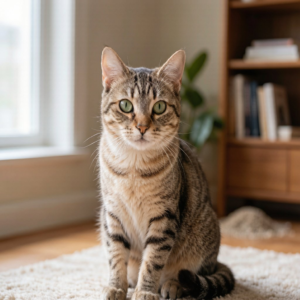
Many owners assume an indoor cat cannot catch parasites, but that is not true. Parasite eggs can ride home on your shoes and clothes, and mosquitoes, cockroaches, raw meat, or household plants can all introduce infection. Some parasites are zoonotic and can spread from cat to owner, so regular deworming matters regardless of lifestyle. Internal parasites such as roundworms, hookworms, tapeworms, and heartworms, and external ones like fleas, lice, ticks, and mites are most common in spring and summer; nematodes and toxoplasma can also pass to people. Deworming is straightforward: oral medication every three months, or more often for raw-fed cats, plus topical drops applied to the skin at the back of the neck. Always follow the dose by weight, since these drugs are toxic in excess.
Are Mosquito Coils Toxic to Cats and Dogs?
Pyrethroid coils are safe for people and dogs in small doses but are highly toxic to cats, which can't metabolize them. DEET repellents can cause nervous-system problems in both. If a pet shows vomiting, drooling, uncoordinated movement, or seizures, seek a vet at once. Repel mosquitoes physically, with plants, or by isolating pets during use.