Search Results
16 results for “cat safe mosquito repellent”
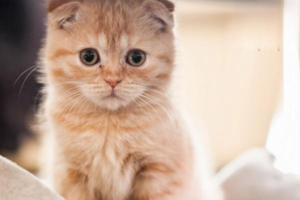
Are Mosquito Coils Dangerous for Cats?
Most mosquito coils and plug-in vaporizers rely on pyrethroids, which a cat's liver cannot break down — so even a small whiff lingers in the body and can cause lasting damage. Signs of poisoning range from drooling and wobbly walking to seizures, and because recovery is slow, the only real cure is keeping pyrethroid products away from your cat entirely.
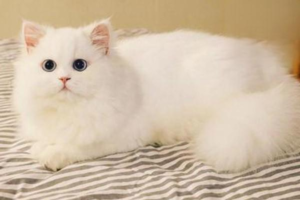
Which Insects Are Harmful to Cats
Many insects are harmless to cats, but spiders, stinging bees, venomous caterpillars, centipedes, scorpions, and fire ants can poison or injure them, and the chemicals used to kill pests are often more dangerous than the bugs. Monthly flea, tick, and heartworm prevention plus pet-safe products are the best protection.

Summer Mosquito Precautions for Cats and Dogs
Summer mosquito bites bother people; hateful mosquitoes are everywhere, penetrating everywhere. But you know, although cats and dogs have thick fur protection, they still can't avoid mosquito harassment. But don't rush to use mosquito coils and repellents — there's a trick.

Why Mosquito Coils Are Dangerous for Cats
Most mosquito repellents contain pyrethroids that a cat's liver cannot break down. Even small exposure can poison a cat, so physical and plant-based methods are far safer for cat homes.

Can Mosquito Repellent Poison Your Dog?
DEET, the most common repellent, is toxic to dogs through skin, eyes, and lungs. Higher concentration means greater danger. Choose pet-safe labeled products.
How can I repel mosquitoes from my dog?
Dog mosquito repellents include safe repellent collars, window screens, mosquito traps (light/airflow) placed out of reach, and pet-safe plants like catnip, lavender, sage, lemon balm.
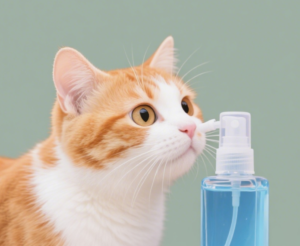
Can Mosquito-Repellent Perfume Poison Your Cat?
That popular mosquito-repellent perfume (the Chinese "flower water") does pose a real risk to cats. Some formulas contain DEET and pyrethroids, both dangerous to cats, and the alcohol, menthol, and camphor in them also irritate. DEET can disturb the central nervous system at high concentration, while pyrethroids are outright toxic because a cat's liver lacks the enzyme to break them down, so toxins build up and can cause organ failure. Cat homes should avoid the product; use screens, nets, electric swatters, or UV traps instead. If a cat shows tremors or vomiting after heavy exposure, never induce vomiting, go to a vet at once.
100 Essential Tips Every New Cat Owner Should Know
Bringing home a first kitten is exciting but daunting, and poor care can hurt both of you. These 100 essentials cover diet (life-stage food, toxic grapes/chocolate/onion/garlic, no bones or raw meat, fresh water), daily care (brushing, nail and ear cleaning, litter hygiene, n+1 boxes), health (vaccines at 8–12 weeks, deworming, normal temperature 38–39.2°C, spay/neuter, no human meds), behavior (slow blinks, tail talk, no punishment), and home safety (screens, hiding wires, toxic plants, no smoke). Read them once and you'll share a calmer, healthier life with your cat.

How to Repel Mosquitoes in Summer With Pets at Home
Pyrethroids are common in human mosquito products because they work and are cheap, but cats cannot metabolize them and long-term use can damage the brain and cause organ failure, even death. DEET is far less toxic to cats and the EPA rates it nearly non-toxic to mammals, though keep it away from cats in quantity. Safer still are physical methods: screens, nets, mosquito swatters, and pet-safe repellent lamps used when no one is home.

Are Mosquito Coils Toxic to Cats and Dogs?
Pyrethroid coils are safe for people and dogs in small doses but are highly toxic to cats, which can't metabolize them. DEET repellents can cause nervous-system problems in both. If a pet shows vomiting, drooling, uncoordinated movement, or seizures, seek a vet at once. Repel mosquitoes physically, with plants, or by isolating pets during use.