Search Results
298 results for “cat rhinotracheitis”

Cat Cold vs. Feline Herpesvirus (Cat Flu): What’s the Difference?
Feline herpesvirus (cat flu / infectious rhinotracheitis) is a serious, potentially fatal respiratory disease with fever, eye inflammation, and high mortality in kittens, while an ordinary cat cold causes mild sneezing and clear discharge. Vaccination and lysine supplementation help prevent it.

What to Do When Your Cat Sneezes
Cats, like people, sneeze and cough when they have a cold, but sneezing alone does not confirm a cold.

Why Your Cat Breathes Loudly
Loud breathing in cats can be completely normal, a relaxed cat often purrs or pants slightly in heat, but it may also signal a respiratory infection or illness. Identifying accompanying signs such as nasal discharge or lethargy helps you decide when veterinary care is needed.

How to Care for a Cat With Heavy Eye Discharge
A small amount of white discharge is normal for cats, but a sudden increase usually means something is wrong—internal heat, conjunctivitis, or cat flu. Daily cleaning helps, yet the real fix is finding the cause, and pus or severe signs call for a vet.
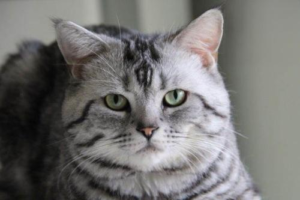
Why Are My Cat’s Tears Red?
Normal clear cat tears can oxidize in air to a rusty red—that is harmless. But red tears paired with swelling, mucus, or eyes glued shut signal conjunctivitis from bacterial or viral infection and need cleaning plus vet-recommended eye care.
Why Is My Cat Crying?
A "crying" cat usually means one of two things: an eye problem such as a foreign object, inverted lashes, or feline rhinotracheitis, or a cat in heat vocalizing like a baby. Eye signs need prompt care to avoid chronic damage, while heat behaviors are normal but worth recognizing.

What to Do When Your Cat’s Eyes Are Inflamed and Tearing
Red, tearing eyes are common in cats, usually from bacteria irritating the conjunctiva. The cause matters: simple conjunctivitis often settles in a few days, while viral infections like calicivirus or herpes need targeted care. Match the treatment to the underlying cause.
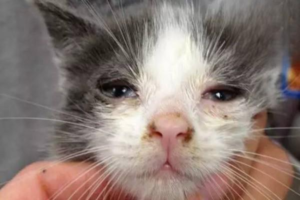
What to Do When Your Cat Has Cat Flu
Cat flu (feline rhinotracheitis) is often mistaken for a cold but is a viral upper-respiratory infection that can kill if ignored, especially in kittens. Antiviral and lysine support plus a clean, low-dust environment are the main care steps.

Symptoms of Upper Respiratory Infection in Cats
Feline upper respiratory infection (URI) hits the nose and throat and shows as fever, sneezing, watery eyes, runny nose, red eyes, cough, hoarse voice, poor appetite, and sleepiness. Most cases are viral (herpes or calicivirus) and need antibiotics plus vet care; vaccination is the best prevention, especially for kittens.

Can a Cat’s Respiratory Infection Heal on Its Own?
Most cat respiratory infections do not clear up on their own. Bacterial or simple colds may self-resolve thanks to the cat's immunity, but the common viral causes — herpes (rhinotracheitis) and calicivirus — require treatment. See a vet; at home, vet-prescribed antibiotics plus lysine help, and isolate the cat since these viruses spread fast.