Search Results
1562 results for “cat red eye”

Internal Parasites in Dogs and How to Treat Them
Deworming isn't only for dogs that show worms in their stool — by then the body is already full of eggs. Common internal parasites include roundworms, tapeworms, hookworms, pinworms, heartworms, and toxoplasma, each with distinct symptoms and routes of spread; a vet confirms and prescribes the right treatment.
Bladder and Urethral Stones in Dogs: Symptoms and Treatment
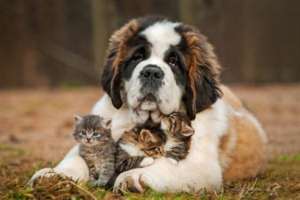
Urinary stones form when minerals crystallize in the bladder or urethra, causing straining, frequent tiny urinations, and blood in the urine. Bladder stones usually need surgical removal; urethral stones are flushed back or taken out surgically. Prevention centers on plenty of water, adequate vitamin A, and a balanced diet rather than an all-meat one.

What Your Dog’s Waste and Walk Reveal About Its Health
Beyond temperature, pulse, and weight, a walk is the best window into your dog's health — watch its gait, expression, and the color and shape of its urine and stool. Red or dark urine can mean bleeding, cloudy urine an infection, shiny urine crystals, and orange urine jaundice; soft, bloody, or black stool points to digestive trouble. Catch these early and bring a fresh sample to the vet.

Are Dogs All Nearsighted?
Dogs really are nearsighted — their vision is only about a fifth to a third of ours because their lens is twice as thick. They make up for it with a huge field of view (200–250°), sharp motion detection out to 1000 meters, excellent night vision from the tapetum lucidum, and a color world of mostly grays where red and green read as shades. Because their sight is limited, protecting their eyes day to day matters a lot.

What to Do If a Dog Is Hit by an E-Bike
If a dog vomits or passes blood right after being struck, suspect internal organ damage and get it to a clinic at once; if it seems fine at first but vomits and goes off food the next day, a concussion is more likely — check the eye whites for dense red veins, a sign of internal bleeding. Keep the dog resting, give circulation-promoting medication at half the adult dose, and see a vet if an intestine protrudes or the red veins do not fade within about a week.

Feline Glaucoma: Symptoms and Treatment
Glaucoma in cats comes from blocked drainage of aqueous humor, raising eye pressure and pressing on the optic nerve and retina, which causes pain and vision loss. Congenital cases have a faulty drainage angle, while secondary cases follow inflammation, tumors, trauma, or a dislocated lens; signs range from a cloudy, enlarged eye and dilated pupil to sudden redness and pain, and any vision lost is permanent — so pressure must be controlled early with drops or surgery.
Symptoms and Treatment of Hole-in-the-Head Disease in Blood Parrot Cichlids
Hole-in-the-head disease (head and lateral line erosion) is a common, highly contagious condition in blood parrot cichlids, usually triggered by nutritional deficiencies or poor water quality. Because it spreads easily to healthy tankmates, isolating the affected fish and starting treatment promptly makes the difference between a quick recovery and a worsening infection.
Best Ways to Treat Diarrhea in a Budgerigar
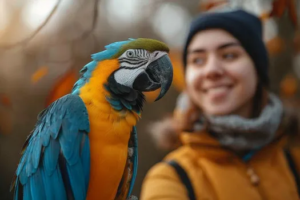
Diarrhea in budgerigars shows as watery, discolored droppings, a soiled vent, lethargy, and extra drinking — and can be fatal if ignored. Start with garlic water and warmth for a day or two, move to oxytetracycline if there's no improvement, and suspect chlamydia (psittacosis) when eye and nose discharge appear.

Early Warning Signs That Your Dog Is Sick
Older dogs show sickness through behavior: unwillingness to walk or climb (arthritis, common in Goldens, Labs, Poodles), constant thirst with weight loss (diabetes, more common in females and breeds like Samoyeds and Pugs), frequent falling or bumping (failing vision, often cataracts), and low appetite with excess drinking, vomiting, and diarrhea (kidney disease). Senior dogs can also develop dementia, raising the stakes of losing them.
Reading Your Dog’s Body Language: Calming Signals
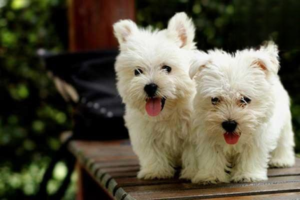
Dogs are pack animals that use 'calming signals' — body language that keeps the peace and heads off conflict. Common ones: yawning when scolded (stress, self-soothing, not defiance), looking away (asking you to stop), lip-licking around strangers (unease), and 'acting busy' by sniffing the ground (refusing contact — push on and you may get a growl). Reading them helps you respond to what your dog is really saying.