Search Results
1562 results for “cat red eye”
My West African side-neck turtle has been listless for two weeks, inactive and sleepy, and today it can’t even open its eyes. I first thought it was shedding, but it’s still lethargic with poor appetite, looking near death. What’s the cause and solution? I have a biology degree, so if there’s a medication plan you can give it directly — I can understand and compound it.
From your description — lethargy, poor appetite, eyes that won't open — and the photo showing white eye discharge and white rotten flesh on the forelimb, this is likely shell rot or white-eye disease. Take it to a hospital, or dry-dock it and bathe 1 hour daily in amoxicillin; apply erythromycin ointment to the eyes 3x daily. Severe infection may need intramuscular antibiotics, with careful dosing.
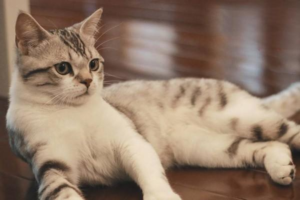
How to Read a Cat’s Mood from Its Tail
Cats keep a cool poker face that hides their mood, but the tail is the key to their feelings. Here we help you judge a cat's emotions through its little tail and achieve cross-species communication.
My two-month-old kitten has black stuff at the eye corners and nose, sneezes and scratches intermittently, snores while sleeping, and just started licking its rear — what’s wrong? It arrived less than two weeks ago and had one vaccine shot.
From your description and photo, the kitten's increased nasal discharge and itching are likely allergies or a cold. Allergies cause sneezing and runny nose; colds show similar signs. Clean the face and fur and check for parasites, since itching can also mean parasitic infection.
One eye is often squinted with a cloudy pupil, but he eats, drinks and uses the litter fine — is it cataracts? He’s only six months old.
A white cloudy pupil in a rabbit is usually cataracts or keratitis, both serious and hard to tell apart, needing a professional eye exam (slit lamp, eye pressure, retina, lens, tears). Cataracts are abnormal lens clouding blocking light to the retina, seen in seniors but also congenital in young rabbits; severe cases need surgery.
Why has my cat’s eyeball turned black and hard?
First check whether the black substance on the eye is dried oxidized blood; if the eye bled, see a vet for treatment based on injury severity. If the cat shows no discomfort, the eye may just be covered by paint or a foreign object, which you can clean off.
One of my hamster’s eyes is red, swollen and bulging out, with a little white haze over the upper eyelid — what’s wrong?
A hamster's red, swollen eyes are usually caused by an inflammatory infection, and anti-inflammatory medication may help. Start with antibiotic eye drops and apply erythromycin eye ointment, keeping the eye clean. If symptoms do not improve, see a vet.
My kitten is not yet two months old (a few days short); symptoms: slightly red eye sockets and inner membranes, arrived Sept 9, occasional sneezing and cough, normal appetite and spirit, no runny nose, nose sometimes wet sometimes dry, using eye drops and vitamin-soaked water – what are these symptoms, what medicine?
A kitten sneezing and coughing has many causes, possibly a chill and cold, treated with anti-inflammatory and cold medicine plus nebulization if needed. It may also be feline rhinotracheitis (cat flu), which also brings sneezing and cough; take it to a vet for tests and prompt treatment.
What are the drawbacks of the Persian cat?
Persians have short noses, so blocked nasolacrimal ducts cause tear stains; clean eyes and massage around them to keep ducts clear. As long-haired cats, their thick coat is troublesome to groom, and they dislike heat and need suitable room temperature. They also love licking anything novel.
What does a dog’s eye discharge look like?
Dog eye discharge is usually yellow or brown, either dry solid or moist paste. Tears contain proteins and other substances that form discharge when not fully drained. A moderate amount is normal and protects the eyes from bacteria and dust. But excessive discharge with redness, swelling, or tearing signals an eye problem needing a vet.
What are the symptoms of glaucoma in cats?
Feline glaucoma shows dilated pupils, protruding eyeball, tearing, cloudy cornea, red sclera, and reduced vision, with strong pain making the cat quieter and hiding. See a vet promptly to avoid worsening; treatment varies from medication to surgery.