Search Results
1562 results for “cat red eye”

What to Do When a Neutered Male Cat Eliminates Outside the Litter Box
It is common for a male cat to eliminate outside the litter box after neutering, but if the behavior persists you should address it. The main causes are leftover hormones, established habits, surgical stress, or incomplete neutering, and most cases improve with retraining, odor removal, and reassurance.
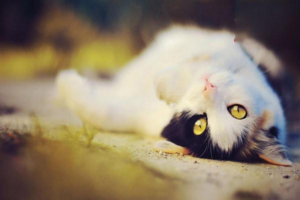
What to Do When Your Cat Runs Away
If your cat escapes, stay calm—cats often know their way home. Search stairs and high spots, check hiding places like under cars and in bushes, use treats and familiar sounds to lure him, and approach quietly with a blanket rather than chasing.
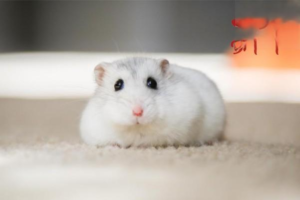
What Are the Symptoms of a Hamster Catching a Cold?
Hamsters have relatively weak constitutions and are easily chilled, and once chilled they will catch a cold. Today we talk about the symptoms of a hamster catching a chill.

Symptoms and At-Home Medication Treatment for Canine Distemper and Feline Panleukopenia
Distemper disease is a highly contagious viral disease with a high fatality rate, usually showing symptoms such as high fever, vomiting, diarrhea, loss of appetite, lethargy, and increased eye and nasal discharge. Common pets such as dogs and cats may be infected with the distemper virus, and the most effective way to prevent viral infection is vaccination. Today we explain knowledge about distemper disease around canine distemper and feline panleukopenia.

Common Causes, Medications, and Prevention of Sneezing and Runny Nose in Dogs and Cats
Sneezing and runny nose in pets are symptoms of disease, usually caused by respiratory infections. Sneezing and a runny nose are physiological responses of the nasal mucosa to various irritants; the more common causes are colds and rhinitis. Next, we introduce the causes of sneezing and runny nose in dogs and cats and the medication treatment for the corresponding diseases.

What to Do When Dogs and Cats Have Diarrhea? Keep These Fast Antidiarrheals on Hand
The medical term for diarrhea is diarrhea, which usually refers to changes in bowel habits and stool characteristics, generally manifested as frequent defecation, increased stool volume, loose stools, and bloody stool. Most diarrhea in dogs and cats is caused by gastrointestinal discomfort, but it may also be a concurrent symptom of other diseases. Today we discuss knowledge about diarrhea in dogs and cats.

Why Is My Cat Tearing Up? Does It Need Medicine?
Cat eye discharge is easy to overlook but can signal illness. Clear tears may just need watching; pus, redness, sneezing, or breathing trouble point to a respiratory infection that needs the right medication or a vet visit.

What Causes Stud Tail in Cats?
Stud tail is an endocrine skin condition in cats—excess male hormones drive oily blackhead-like lesions on the tail base, chin, and back. Learn the causes, common breeds, and prevention (neutering, diet, exercise, cleaning).
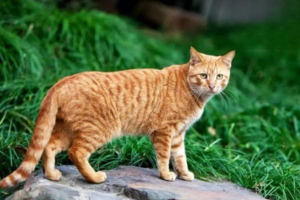
What Are the Symptoms of Stud Tail in Cats?
Stud tail looks like blackheads on a cat's tail base, with greasy matted fur and a foul waxy buildup, and can progress to infection. This article covers its causes, symptoms, and treatment plus prevention.

Fever in Dogs and Cats: Causes, Detection and How to Reduce It
Fever in dogs and cats can stem from infections or non-infectious issues like heatstroke and post-vaccine reactions. Learn how to take your pet's temperature, recognize fever signs, and safely reduce fever with cooling and vet-approved medication.