Search Results
1562 results for “cat red eye”

How Feline Chlamydial Pneumonia Develops
Feline chlamydial pneumonia is a highly contagious but uncommon cat disease, well covered by routine vaccination, so regularly vaccinated cats rarely catch it. It spreads through eye, nose and mouth secretions on shared bowls, cages or hands, and by sneezing. It starts as conjunctivitis and, left untreated, can advance to fever, pneumonia and infections of the airways or reproductive tract. Antibiotic eye ointment and oral antibiotics clear it, but recovered cats still carry and shed the organism, so isolation matters.
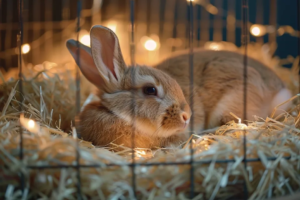
Understanding a Rabbit’s Physical Traits
Rabbits are built for alertness and quick escape. Their freely rotating ears carry dense blood vessels that release heat and give keen hearing, while eyes set on the sides of the head give a near 300-degree view, though daytime sight is weak. A constantly twitching nose reads scent, whiskers map nearby objects, and 28 ever-growing teeth demand constant chewing. Strong hind legs power leaps, a fragile skeleton needs careful handling, and body size ranges from under 2 kg to 8 kg across small, medium and large types.

Can a Guinea Pig Cold Heal on Its Own?
A guinea pig cold rarely clears by itself. Unlike a human cold, it comes from different pathogens and the animal's immune defense is weak, so treatment is usually needed to ease signs and aid recovery. Symptoms are sneezing, clear nasal discharge, more eye discharge, lost appetite, and low spirits. See a vet early for diagnosis and the right antibiotics or supportive care; keep the cage warm and clean, offer vitamin-C-rich easy food, and ensure fresh water. Never medicate on your own, as wrong drugs can harm the pig.
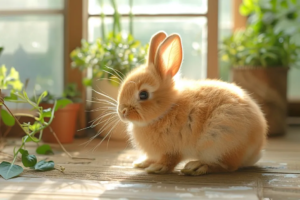
What Causes Malocclusion in Rabbits?
Malocclusion, or misaligned teeth, is a common rabbit dental disease with congenital and acquired forms; most cases are acquired from poor management. Rabbit teeth grow continuously, so they must wear them down by eating coarse fiber like grass. Without enough chewing, teeth overgrow and slip out of alignment. Overlong teeth can cut the lips, tongue, and cheeks, cause painful refusal to eat and mouth ulcers, and in severe cases the roots may pierce into the nasal cavity, eye socket, or jaw, forming abscesses. Prevent it with regular dental checks and plenty of hay for wear.

Symptoms of a Cold in Guinea Pigs
A cold in guinea pigs often brings sneezing, clear nasal discharge, labored breathing, red or weepy eyes, a sore throat with coughing, lowered activity, and sometimes poor appetite when breathing or fever is affected. Give a warm, dry home with plenty of food and water and extra vitamin C. Keep the cage clean by washing bowls and changing bedding to limit bacteria. For severe or lingering cases, see a vet rather than self-medicating, since the right treatment depends on the exact condition.

How Long Can a Dog Survive Heartworm
How long a heartworm-infected dog lives depends on infection site and severity, the dog's age and health, and how effective treatment is. Mild cases often recover with medication, while moderate to severe ones may need risky surgery. With proper treatment a dog can live for years; without it, death may come in weeks to months. Seek a vet promptly for diagnosis and care.

How to Choose a Dewormer for Dogs
Most dogs meet parasites at least once, and fleas, roundworms, and heartworm are among the most common. Deworming is not a gimmick, yet three myths—indoor dogs are safe, price equals quality, one dose lasts half a year—lead owners astray. This guide covers the three standards for choosing (spectrum, safety, value), the Collie caution with ivermectin-class drugs, and a sensible schedule: monthly external and combined coverage, internal every three months for adults, and vet-guided care for puppies, pregnant, or sick dogs. Low price need not mean low efficacy.
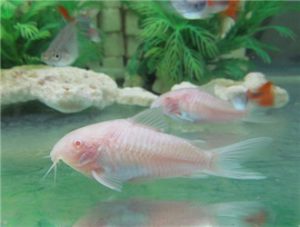
White Corydoras
The White Corydoras is native to South American waters and is now mostly captive-bred. An albino form of the Bronze Cory, it has a milky white body with clear red eyes, is gentle, and is kept in schools. Egg-laying and good with small fish, it suits planted tanks as a bottom fish.
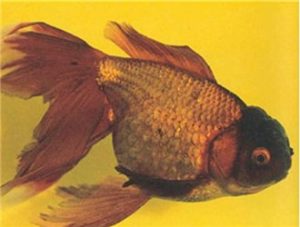
Brown Oranda with Curled Opercula
In goldfish, curled opercula is usually a disease sign, but the Brown Oranda with Curled Opercula has gill covers that grow everted from inside out like a wound - a hereditary variation.
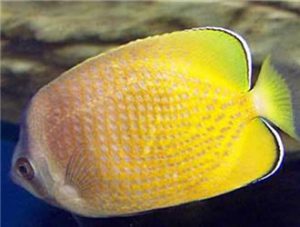
Sunburst Butterflyfish
The Sunburst Butterflyfish (Chaetodon kleinii) is pale tea-colored in front and dark yellow behind. Though not vivid at depth, it is liked by some aquarists and can mix with other butterflies, including its own kind, if added together.