Search Results
1562 results for “cat red eye”

Key Points for Raising and Managing a Baby Rabbit
Baby rabbits are fragile: feed junior pellets and alfalfa (not fruit/veg), give clean water (never tap), keep the cage clean and quiet, hold temperature near 20 C (15-30 range), and prevent diarrhea and coccidiosis.

Common Rabbit Diseases in Winter and How to Prevent Them
Cold, dry winters challenge small, fragile rabbits. To help your rabbit through the season safely, prepare ahead. Here are the diseases rabbits face in winter and how to prevent and treat them.

Common Health Issues in Exotic Shorthairs and How to Care for Them
Exotic Shorthairs are prone to eye discharge, a short nose with breathing trouble, malocclusion, delicate paw pads, ear issues, and coat/skin problems from poor self-grooming. Daily cleaning, brushing, and early vet care keep these in check.

How to Care for a Puppy
A puppy's body is fragile and it lacks self-care, so it needs devoted attention. Managing a puppy centers on two things: controlling the environment temperature and stimulating elimination. Here is how to raise and manage a puppy.

Common Dental Problems in Rabbits
Rabbit teeth grow for life, and many rabbits get overlong teeth from too little chewing. They also often suffer malocclusion. This article covers common rabbit dental diseases.
How to identify a kitten’s breed?
First check coat length, pattern and density: long-haired are often Ragdoll, Persian, British Longhair, Chinchilla, Maine Coon, Norwegian Forest; short-haired include American/Exotic Shorthair, Devon Rex, Siamese. Then body size — Ragdoll and Maine Coon are largest. Similar colors are told by face, eye color and ear shape; ask a vet if unsure.
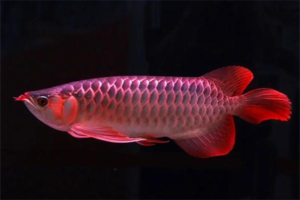
Why Arowana Get Pinecone Disease (Raised Scales) and How to Treat It
Pinecone disease (also called raised or loose scales) is common in arowana. It can be triggered by large temperature swings, poor water quality, or internal infections such as enteritis and ascites. Mild cases often respond to the 'old three methods' — raise temperature, add salt, and partial water changes — while severe cases need antibiotics.

Goldfish Moods and Behavior: Reading Their Emotional and Health Signals
Goldfish express distinct moods through their swimming and feeding behavior: active, eager swimming signals contentment, while prolonged bottom-sitting or lying on the side often points to stress, fear, or illness. Because low mood and sickness can look alike, judge a fish by its body color, gill condition, water quality, and appetite rather than behavior alone.
Is it okay to feed arowana frozen fish?
Arowana can occasionally eat thawed frozen fish, but it should be fully thawed and excess water drained. Regularly feeding frozen fish is not recommended because it sinks and can cause the arowana's eyes to drop.
What if a dog is allergic to food?
Food allergy causes swollen mouth, red eyes, itchy skin, rashes; severe throat swelling leads to breathing trouble. Stop the food and see a vet if serious.