Search Results
1562 results for “cat red eye”

What to Do If Your Dog Has Eyeworms
Eyeworms (Thelazia callipaeda) are milky-white nematodes that live beneath a dog's eyelids and are transmitted by flies, causing tearing, redness, and corneal ulcers. They are cleared with pet-safe eyeworm drops such as levamisole, followed by flushing and antibiotic ointment, or removed by a veterinarian.

Why Your Dog’s Eyes Are Bloodshot and What to Do
Bloodshot eyes usually come from a stray particle, an infection or inflammation, or dietary 'heat.' Remove the irritant and use pet eye drops for inflammation, while boosting water intake and switching to a lighter diet for heat-related redness.
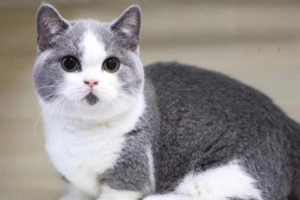
Why Your Cat Has a Lot of Eye Discharge and How to Handle It
Excess eye discharge usually means dietary heat, eye inflammation, or a herpesvirus infection. Clean the eye and use the right drops, and boost water intake with fountains, extra bowls, and broth.

How to Treat Feline Rhinotracheitis (Cat ‘Snuffles’)
Feline rhinotracheitis is essentially a cat upper-respiratory infection: it starts with watery eye and nose discharge and, if the virus spreads, progresses to thick pus, swollen eyes, poor appetite, and labored breathing, sometimes ending in pneumonia. Treatment works best in stages — supportive care early, nebulization and antivirals mid-way, and antibiotics only if it worsens.

How Long Does Cat Rhinotracheitis Take to Heal?
Recovery time depends on the cat's immunity and how far the infection has advanced — mild cases clear in days, moderate ones take weeks to a couple of months, and severe cases run past a month. Because the virus stays for life, symptoms can return under stress, so vaccinate and use preventive supplements after recovery.

Treating a Dog’s Cold: Medication, Injections, and Costs
Mild dog colds need only warmth, rest, water, and good food, but persistent cases call for medication or injections. Treatments range from anti-inflammatories and eye or nose drops to fever-reducing and interferon shots, with a typical fever shot running a few dozen yuan depending on symptoms and clinic.

What to Do When a Hairless Cat Catches a Cold
Hairless cats have no fur to insulate them, so they catch chills easily—keep a sick cat warm, hydrated, and well-fed, and use heat-clearing or antiviral medication for cold symptoms. If eye discharge, red eyes, or fever appears, the cause may be feline rhinotracheitis and needs prompt veterinary care. Year-round, hairless cats need indoor living, clothing in winter, regular wiping in summer, and a calm, safe environment.

What to Do When a Kitten Catches a Cold
Kittens catch colds easily from seasonal changes or contact with sick cats, and the smallest ones have the weakest immunity. Watch for a dry, warm nose, sneezing, coughing, runny eyes, and loss of appetite, then check the temperature, adjust the diet, encourage sunlight and ventilation, and use cold medication as needed.

Signs That a Cat Is Stressed
Cats are naturally timid and easily stressed, and chronic stress can spiral into depression, so recognizing the signs matters. A stressed cat may crouch and pant, lash out, mark territory with urine, or over-groom to the point of bald patches—eased by patience, gentle handling, and food-based coaxing.

Common Hereditary Diseases in Purebred Cats
Selective breeding has given us stunning purebred cats but also concentrated many hereditary diseases—from polycystic kidney disease and hypertrophic cardiomyopathy to the cartilage disorder behind folded ears. Knowing which conditions each breed is prone to helps owners catch problems early.