Search Results
1562 results for “cat red eye”

How to Tell If Your Arowana Is Healthy
When observing your arowana day to day, beyond enjoying its graceful swimming, you should pay close attention to its physical condition and state, so that any abnormality or illness is caught and treated early, protecting its health and safety. Below are some methods our experts use to judge whether an arowana is healthy, hope they help you.
My rabbit’s ears are hot; I cooled them with water but they get hot again—why?
Based on your description, hot ears in a rabbit may indicate a fever. A pet rabbit's normal temperature is about 38–39.5°C. First measure with a thermometer; if accompanied by symptoms like nasal discharge or lethargy, the fever is likely from infection or contagious disease. If cooling doesn't help and fever recurs, see a vet.
How do I pick a high-quality Doberman Pinscher?
Here are some suggestions for choosing a quality Doberman: First, if you want a purebred, buy from a reputable pet store or breeder and make sure the dog has a pedigree certificate and matches the breed's characteristics and standards. Second, when choosing, observe the dog's physical condition, including the coat, skin, eyes, ears, nose, and mouth for health problems.
It’s about four months old; this morning at 8 it fell from the fifth floor to the first floor. At first there was blood from the mouth and nose, but that has stopped now, though it is wheezing and has a broken leg.
Based on your description, after falling from a height your cat very likely has internal bleeding, fractures, and a ruptured palate, and the wheezing could be from pneumothorax or pulmonary hemorrhage caused by the impact. The best approach for a cat that has fallen is to take it to a veterinary hospital to assess the damage, including X-rays, ultrasound, and comprehensive blood chemistry and a complete blood count.
How to Help a Kitten Not Fear Baths?
Fear of baths is natural for cats, but you can reduce it: before bathing, let the cat play in the bathroom and give treats to relax it, and prepare warm water, pet shampoo, and towels within reach.

What Are the Causes of Arowana Enteritis?
Enteritis is also common in arowana and hard to fully avoid. Learning causes and treatments of common diseases helps prevention and timely care. Our veterinarian introduces the causes and treatments of arowana enteritis, hoping to help.
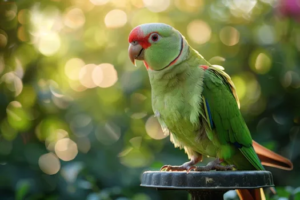
Symptoms and Treatment of Parrot Trichomoniasis
Trichomoniasis is also common in parrots. Even without symptoms, most carry the protozoa and may fall ill under some conditions. As an owner, it is worth understanding this disease. Our team walks you through its symptoms and treatment.

Why Do Rabbits Grind Their Teeth (and How to Manage It)?
A rabbit's teeth never stop growing, so constant chewing is natural, but overgrown teeth cause pain, eating trouble, and even eye or ear infections. Provide chew toys and hard pelleted feed, and have a vet trim teeth that grow too long.

Common Questions About Turtle Colds
Turtle colds are treated early with antivirals, vitamins and rest; mild cases can self-heal but severe ones need medication. Symptoms include weeping eyes, runny nose, bubbles at the nose and lethargy, and may become pneumonia with open-mouth breathing. Prevent by good water quality, stable temperature and isolation.

Prevention and Treatment of Colds in Turtles
A turtle cold can progress to pneumonia, which is far more dangerous, so treat it promptly and watch for pneumonia signs. Isolate the sick turtle, keep the enclosure at about 30°C, and use antibiotic baths (e.g., cephalexin) or amoxicillin by weight; prevention focuses on good water quality and strong immunity.