Search Results
959 results for “cat recovery”

Symptoms of Feline Viral Conjunctivitis
Feline viral conjunctivitis is caused by the herpesvirus in cat flu. Beyond eye redness and discharge it also brings respiratory signs, so controlling the virus is essential.

The Difference Between Feline Alopecia and Ringworm
The only thing feline alopecia (hair loss) and ringworm share is shedding fur - in every other respect they are entirely different. Here is how to tell them apart.

How to Find a Lost Dog
The first 6 to 8 hours are the golden window for finding a lost dog. Mobilize helpers, check cameras, make detailed flyers, and use maps and scent to bring your dog home.
How to Avoid Pet Poisoning
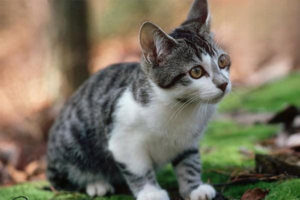
Cat poisoning isn't more common but recovery odds lower than dogs.

Feline Eye Diseases and Eye Drops
Feline eye disease is very likely in a cat's life. Some breeds like Exotic Shorthair, Persian, and Chinchilla (flat-faced) are high-risk and may have multiple eye infections.

Canine Adenovirus Type II Infection
Canine adenovirus type II infection causes infectious laryngotracheitis and pneumonia in dogs, with persistent high fever, cough, serous or mucoid rhinitis, tonsillitis, laryngotracheitis and pulmonary signs.

Canine Herpesvirus Infection
Canine herpesvirus infection is an acute, fatal infectious disease of newborn puppies caused by canine herpesvirus. Dogs over 2 weeks old show tracheitis, bronchitis and other respiratory signs; bitches can have infertility, abortion and stillbirths; males show balanoposthitis and funiculitis. The virus is widespread in breeding kennels.

What Is the Most Effective Way to Treat Canine Distemper
If a dog catches distemper, seek proper veterinary treatment promptly. In early onset, immune serum and antibiotics can cure it quickly. Whether hospitalized or treated at home, keep the dog in a warm, dry place. Prevent distemper by vaccinating puppies, avoiding outings during outbreaks, and not contacting sick dogs or their waste.

Treatment of Early-Stage Canine Distemper
The canine distemper virus is highly contagious and deadly. Early on there is a biphasic high fever with cold-like signs, later bronchitis, catarrhal pneumonia, and gastroenteritis. Late stage brings neurological signs such as spasms and convulsions. Some dogs show local hardening of the nose and paw pads.

Symptoms and Treatment of Canine Parvovirus
Canine parvovirus, also called 'dog turning intestines,' is a very serious contagious viral disease. But it is not untreatable - early detection and early treatment give a dog a good chance of recovery. Here are its symptoms and treatments.