Search Results
959 results for “cat recovery”

A Cat’s Mild Black Chin (Feline Acne) Cleared Up
Feline acne (often called 'black chin') shows up as tiny dark specks along the lower jaw, usually from a fatty diet, plastic bowls, or poor cleaning. With a vet-recommended antibacterial skin spray and B-complex vitamins plus daily chin cleaning, mild cases clear up within a couple of weeks. Switch to ceramic or stainless bowls and keep the chin dry to prevent recurrence.
What medicine can I give a cat with a runny nose and sneezing?
A cat's runny nose and sneezing from a cold may respond to amoxicillin-clavulanate and warmth. Persistent symptoms suggest a viral infection requiring veterinary diagnosis and treatment.

Why Does a Male Cat Lick His Genitals?
A male cat may lick his genitals to clean himself, relieve stress, during mating season, or because of illness or infection. Grooming or seasonal behavior is usually harmless as long as the area stays clean, but if licking comes with other symptoms such as trouble urinating, it likely signals a medical problem that needs a vet.
My cat had loose stools after eating thawed canned food and is now lethargic with no appetite
Sudden canned-food change can cause gastroenteritis; fast briefly, use probiotics and anti-diarrhea meds, and see a vet if it worsens.

Is It Normal for Cats to Sleep With Their Eyes Open?
A cat sleeping with eyes open is usually normal and tied to its sleep style. In light sleep, cats stay alert with eyes partly open so they can react and escape danger fast; deep sleep closes the eyes. Some cats simply prefer partially open eyes. But eye disease can also cause it, so check for tears or redness.
Cat Rectal Prolapse: Causes and Treatment
A rectal prolapse, where rectal tissue pushes out past the anus, is usually tied to long-term diarrhea, constipation, or intussusception, and it will not heal on its own. The direct cause is rising abdominal pressure. If your cat prolapses, treat any underlying constipation or diarrhea first, then seek veterinary care so the tissue does not become inflamed, infected, or necrotic. In mild cases you may gently rinse and replace the tissue at home, but persistent or severe prolapse needs prompt surgery.

What to Do When Your Cat Loses an Entire Claw?
If your cat loses a whole claw, stay calm and watch for other symptoms while caring for the wound. A claw is made of keratin and sheds naturally over time, but a full loss usually comes from overzealous scratching on windows or furniture, an injury, or a claw disease such as an ulcer. If the claw has simply come off and there is a wound, rinse it with saline, disinfect with iodine, and apply an anti-inflammatory ointment three times a day to prevent infection and aid healing. Keep an Elizabethan collar on so the cat cannot lick the spot, and see a vet if infection or other signs appear. To lower the risk, fit window guards, trim claws regularly with proper pet clippers and technique, and keep up with grooming. Most claw losses are minor; calm observation and good wound care are usually enough.
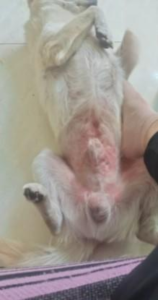
Dog Skin Redness and Hives: A Recovery Case
After a day outdoors, a dog came home with a large red, itchy rash on its belly—likely bacterial eczema or allergic dermatitis/hives. Left unchecked, such redness spreads fast and itches intensely. With an antimicrobial skin spray, zinc oxide ointment, and an oral antihistamine, the redness faded within a few applications. Catch it early and see a vet if it spreads.
Dog Gastroenteritis with Bloody Stool: A Recovery Case
A 5-year-old dog passed soft stool with a little blood at the end for nearly a week, yet kept a good appetite and energy—pointing to chronic enteritis or gut overload rather than a severe acute illness. With gut-protecting, antibiotic, and probiotic support plus a bland diet, the stool normalized within a day. The case shows how diet and the right care heal a fragile gut.
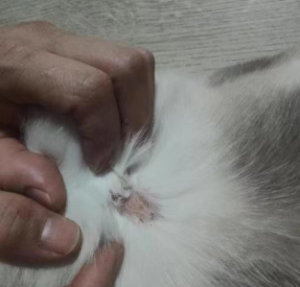
A Cat Ringworm Case: Diagnosis and Treatment
A 5-month Ragdoll with an oval bald patch, scales, and mild crusting on the neck turned out to be ringworm—confirmed by a Wood's lamp and typical signs. Treated with fur-clipping, cleaning, an antifungal spray and ointment, vitamin B, and an E-collar, he improved within a week. The case shows why vet confirmation and full-course treatment matter.