Search Results
47 results for “cat preferences”

Why Does Your Cat Love to Rub Against You?
Cats have scent glands on their cheeks and chin that release a marking substance. When a cat rubs on you, it leaves its scent to claim you as part of its territory, a way to express belonging and security. A cat may also rub when bored or hungry to ask for attention, play, or food. Respond with a gentle voice and soft strokes on the head, chin, or neck, and spend more time playing together.

Why Your Cat Starts to Look Like You (It’s More Than Mimicry)
Many owners hear that their cat is the spitting image of them, and science backs it up. A British photographer pairing 3,000 cats with their owners found they do grow more alike over time, though a cat's breed determines its looks, not its owner's face. The real similarity comes from behavioral sync, calm owners raise calm cats and anxious ones raise jumpy cats, cats mimic our body language and match our daily rhythms. Psychology's "similarity attraction" means we subconsciously pick cats that resemble us, and brain studies show shared oxytocin and cortisol levels between long-term companions. In short, your cat doesn't become you, it tunes to your frequency.
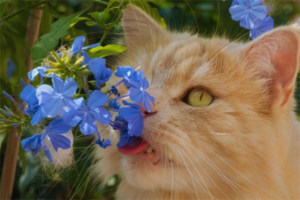
Can a Cat’s Personality Change?
A cat's personality can shift under certain conditions, influenced by negative experiences, health, age, and genetics. For example, a once sunny cat may become timid or depressed after abuse or the loss of a companion. To keep a cat's character stable and healthy, provide a steady environment, proper socialization, and plenty of affection.
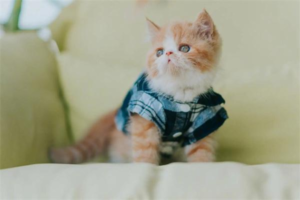
Why Do Cats Lose Interest in Toys So Fast?
Cats are endlessly curious about new things, yet that curiosity fades fast—so a thrilling new toy soon becomes boring. Because cats have short attention spans and individual preferences, rotate toys instead of discarding them: put an old toy away and bring it back later to spark fresh interest. Don't dump many toys at once; offer different ones at different times, and most importantly play together—cats are social and lose interest when left to play alone. Regular interaction keeps both their interest and your bond strong.
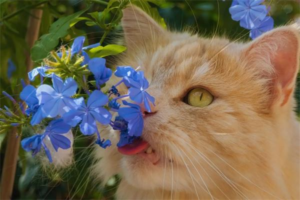
Where Do Cats Like to Hide?
Cats are naturally cautious and alert, so they are drawn to hidden, dark, and narrow spaces where they feel safe. Common hideouts include under the bed or sofa, inside cabinets and small enclosed spaces, up on high shelves and bookcases, and tucked inside boxes, bags, and even the occasional sink. Outdoors, cats slip into grass and bushes to explore and play. Knowing your cat's favorite spots helps you find it faster when it disappears, and understanding this instinct lets you support its well-being. Providing a closed, secure, and comfortable retreat of its own satisfies a cat's need for privacy and can greatly increase its happiness at home.

How Cats Eat and Drink: Healthy Habits
In the wild a cat eats up to twenty small meals a day, so free access to food suits its nature better than one or two big bowls. Feeding a single staple with the occasional treat, using puzzle feeders for mental stimulation, and placing water bowls away from food all mirror feline instinct. This guide covers sensible feeding and safe drinking setups for indoor cats.
How to Choose a Cat Food Flavor Your Cat Will Love
The cat-food aisle is overwhelming, but the best choice meets both your cat's health needs and their natural preferences. Cats are born meat-eaters and famously love fish, because fish supplies the amino acids they cannot make themselves—deficiency causes rapid weight loss and failing vision. This article explains why fish-based and poultry recipes appeal to cats, what nutrients (vitamin A, taurine, quality protein) support skin, coat, and eyes, and how to read labels to pick a complete, balanced food your cat will actually enjoy.
What to Do When Your Cat Refuses Canned Food (Kibble Addiction)
If your cat refuses canned food, it may have developed kibble addiction, caused by free-feeding dry food. Here is how to transition it gradually.

How to Break Your Cat of Bad Habits
The top complaints about cats are inappropriate litter box habits, furniture scratching, and aggression—most rooted in normal feline behavior. With patience and the right setup (clean box, sisal scratching post, proper play), these problems are solvable or preventable.

How to Train Your Cat to Use the Litter Box
Cats may seem untrainable, but they respond to cues when there is a reward in it for them. Use food rewards paired with a sound to teach any behavior—including proper litter box use. Never punish inappropriate elimination; it raises stress and makes the problem worse.