Search Results
19 results for “cat pharyngitis care”

Esophageal Dilatation in Dogs and Cats: Symptoms, Treatment, and Prevention
Esophageal dilatation is widening of the esophagus in dogs and cats that impairs movement of food, causing regurgitation and weight loss. Congenital and acquired forms are managed with special feeding techniques and veterinary care.

Pharyngitis in Dogs and Cats: Symptoms, Treatment, and Prevention
Pharyngitis is inflammation of the throat lining in dogs and cats, causing painful swallowing, drooling, and reluctance to eat. It often follows mouth, nasal, or respiratory infections and is treated with veterinary care and supportive feeding.

Common Feline Oral Diseases and Care
The mouth is vital for cats - for food, water, and defense. Oral disease makes survival hard.

How to Treat Feline Rhinitis
Feline rhinitis follows injury or infection of the nasal lining and often turns bacterial; acute cases sneeze, rub the nose, and stream serous-to-mucoid (sometimes bloody) discharge with noisy breathing, while chronic cases drip on and crust, with a foul smell, and can lead to sinusitis or nasal tumors. Treatment flushes the nose, applies local antibiotics or decongestant drops, and tackles the underlying infection — bacterial, fungal, or allergic.
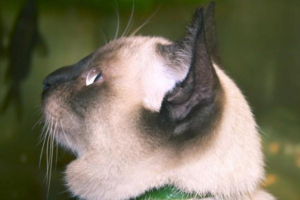
Feline Stomatitis: The Complete Guide
Feline stomatitis is a painful, relapsing inflammation of the whole mouth — gums, oral mucosa, and pharynx — driven by an over-active immune response to plaque and viruses like calicivirus. Signs run from foul drooling and weight loss to a cat that stops grooming and hides in pain; treatment pairs steroids and antibiotics with dental cleaning, and extracting the premolars and molars resolves or greatly eases symptoms in roughly two-thirds of cats.

Prevention and Treatment of Dog Stomatitis
Dog owners know stomatitis well; it's mainly oral-wound infection. Since it's common, how can owners help prevent it? Here is a detailed guide.

How to Prevent Rheumatic Disease in Dogs
Canine rheumatism is a recurring non-suppurative inflammation of muscle and joints, triggered by cold, damp, overwork, and more. There is no cure, but warmth, regular exercise, and sunlight ease and help prevent it.
Dog is coughing but has no runny nose
Many diseases can cause coughing in dogs, including respiratory infections, pharyngitis, lung abscess, bronchopneumonia, and distemper. Owners can first observe whether the dog's urination and defecation, energy level, and appetite are normal; if everything is normal, there is likely no major problem and it may simply be due to weather changes. At the same time, carefully check the dog's throat for any foreign objects. If the cough is severe, promptly take the dog to a veterinary hospital for examination to identify the specific cause and provide targeted treatment.

What Is Canine Herpesvirus Infection
Canine herpesvirus type 1 causes an acute, often fatal disease in young puppies. Adult dogs usually carry the virus without signs, but newborns can die within a day of infection. Because treatment is poor once signs appear, warmth and supportive care, plus prevention, are what matter most.
- « Previous
- 1
- 2