Search Results
283 results for “cat parasites”
Does a Scratching Cat Always Have Parasites?
A scratching cat doesn't automatically have worms. Itching can come from parasites, but also from skin disease, allergies, dry skin, or even stress. Anxious cats may over-groom until they damage their own skin, creating a vicious itch cycle. If scratching continues after a dewormer, or comes with hair loss, redness, bumps, ulcers, or heavy scaling, it's time for a veterinary check rather than more flea treatment.

How to Protect Your Cat From Parasites
Cats pick up fleas and lice from dirty surroundings or contact with infected animals. Regular parasite-control baths, a clean home, and prompt treatment keep these pests — and the illnesses they bring — at bay.

How to Deworm a Cat With Parasites
Once a cat picks up parasites, it's a real problem because they can stunt growth and even kill. Roundworms, hookworms, filarial worms, and tapeworms each have their own signs. A proper internal and external deworming routine, timed around meals, clears them and keeps them away.

What Parasites Live Inside Cats
Cats can harbor several internal parasites, each with its own tell-tale signs. Roundworms, hookworms, filarial worms, and tapeworms differ in appearance and symptoms but all deserve prompt attention. A regular deworming routine is the simplest way to protect your cat's health.

Internal Parasites in Cats
Internal parasites are a common and potentially serious problem in cats, ranging from roundworms and hookworms to tapeworms and filarial worms. Left untreated, heavy infestations can stunt growth, cause anemia, and even prove fatal. Regular deworming is the most reliable way to keep them under control.

Parasites on Stray Cats: What to Do
Strays, with weaker immunity, often carry both internal parasites (roundworms, coccidia, hookworms, toxoplasma) and external ones (fleas). Signs include diarrhea and fever; treat with combing, a flea shampoo, and broad-spectrum dewormers, then keep the coat dry and watch for post-treatment upset.
Do Cats or Dogs Have More Parasites?
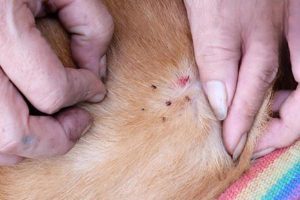
Cats and dogs share most parasites, so neither has 'more'; the load depends on environment and health. Roundworms, hookworms, tapeworms, and others cause real harm, and a regular deworming schedule keeps them down.
Parasite Prevention for Cats: What Every Owner Should Know
Parasites threaten cats at every life stage and are easy to overlook. Fleas, lice, ticks, and mites cause itching, dermatitis, and anemia, while internal worms and mosquito-borne heartworm can be life-threatening—even for indoor cats. This guide explains the hidden risks, why a combined internal-and-external spot-on simplifies prevention, and how to apply one safely and with less stress. The proven ingredient pair imidacloprid plus moxidectin covers a broad range of parasites in a single monthly dose. Always confirm the right product with your veterinarian.
Cat Ear Mites vs Ear Wax: How to Tell and Treat
Ear mites and ear wax are different problems that look alike, so owners often mix them up and delay treatment. Ear mites are a parasitic infection causing intense itching, black or coffee-colored debris, and inner-ear inflammation. Normal ear wax is pale yellow or brown, scant, and does not itch. If mites are present, clean the ears with a flushing solution, apply a miticide, and treat the cat for external parasites. Use an Elizabethan collar during care, and isolate in multi-cat homes because mites spread easily.
Can Hamsters Carry Parasites on Their Bodies?
Hamsters can indeed pick up parasites such as lice, ticks, and fleas, though infection is not common and depends heavily on their living environment and overall health. These parasites can spread through food, water, or bedding and may cause loss of appetite, weight loss, a dull coat, and itching. Because parasites can also pass to owners, prevention matters. Keep the cage clean and dry, disinfect regularly, feed fresh food and water, schedule vet checkups and deworming, and wash your hands before handling. If an infection occurs, consult a vet promptly, follow the prescribed treatment, disinfect the enclosure, and treat all hamsters in the home to stop the spread.