Search Results
338 results for “cat parasite control”

Why Is the Skin Around My Cat’s Mouth Red?
Redness around a cat's mouth is a sign of skin trouble, usually falling into one of three types: allergic, fungal or parasitic. Match the treatment to the cause—soothe allergies, fight fungus with an antifungal spray, ointment and medicated shampoo, or control parasites. A vet confirms unclear cases.

Parasites on a Kitten: What to Do
Parasites are common in kittens—both internal worms (roundworm, tapeworm, hookworm) and external ones (fleas, mites). Beyond regular deworming, the living environment must be disinfected, since where the kitten has parasites, the home does too. Follow weight- and age-based dosing carefully.

What to Do About Black Bugs on Your Cat
The small black bugs crawling through a cat's coat are usually fleas. A heavy flea burden causes anemia, spreads internal parasites and triggers allergic skin disease, so treat the cat and its home together. Regular topical prevention keeps fleas and other external parasites away.

What to Do When Your Cat Has Watery Diarrhea
Watery diarrhea in cats can signal anything from routine enteritis to serious feline panleukopenia, and the right treatment depends on the underlying cause. Bloody stool, vomiting, fever or weakness means urgent veterinary care. Supportive care at home helps only once the cause is identified.

What to Do When Your Cat Sneezes Blood
Blood in a cat's sneeze points to parasites or feline rhinotracheitis (cat flu) — both need a vet check. Deworm for parasites; for rhinotracheitis, treat the virus with eye drops and vet-prescribed medication plus immune support.
Will Cat Ringworm Heal on Its Own?
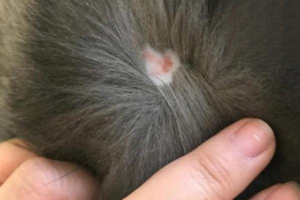
Cat ringworm won't clear up by itself — left alone it spreads and worsens. It comes from parasites or fungus; treat by isolating, clipping, and applying antifungal spray and ointment, with a 4–6 week course and good nutrition.

How Much Does It Cost to Keep a Cat Each Month?
Most of a cat's monthly cost goes to food and preventive care — kibble, vaccines, and parasite control — with litter, toys, and the odd treat on top. A typical adult cat runs about $30–45 a month, and preventing illness is far cheaper than treating it.

Simple Tips to Prevent Ringworm in Cats
Ringworm in cats comes from four sources — fungal, bacterial, allergic, or parasitic — and prevention starts with each. Weekly cleaning, avoiding allergens, and regular flea control keep your cat's skin healthy.

How to Deal With Dog Odor at Home
Dog odor comes from the dog itself—body odor, lack of bathing, bad breath, ear wax, full anal glands, or skin disease—and from accidents caused by untrained pups, marking during heat, diarrhea from parasites or parvovirus, or aging sphincter loss. Find the source, then improve hygiene (regular baths, weekly teeth brushing, ear and anal-gland care) and use an enzymatic deodorizer that breaks down odors rather than masking them.

Pet Skin Diseases (Part 1): Parasitic and Fungal Infections
Skin disease is common in dogs and cats and tends to flare up and recur, usually because their skin defenses are weak and their surroundings are full of triggers. The two hardest types to clear are external-parasite infestations (fleas, lice, mites, ticks) and fungal infections (ringworm); both cause intense itching, hair loss, and skin damage and need treatment of both pet and environment. Since they are contagious and slow to resolve, early veterinary care and consistent parasite control are the keys to recovery.