Search Results
338 results for “cat parasite control”

Eosinophilic Panosteitis in Dogs and Cats: Symptoms, Treatment, and Prevention
Eosinophilic panosteitis, also called panosteitis, is a spontaneous, self-limiting bone-sclerosis disorder of young, fast-growing large-breed dogs, especially German Shepherds. It causes shifting lameness that moves between limbs over a cycle of roughly three months and usually resolves by 18 to 20 months of age.

Abscesses in Dogs and Cats
An abscess is a pocket of pus walled off in any tissue or organ, usually from a bacterial infection. Shallow abscesses break and heal readily; deep ones can infect other organs. Draining and veterinary antimicrobials are the main treatments.
Black Dots on Your Cat’s Skin: Folliculitis, or ‘Black Chin’ and ‘Stud Tail’
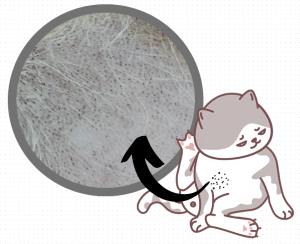
Black dots on a cat's skin are usually the early sign of folliculitis, like blackheads, driven by excess sebum, blocked follicles, and bacterial infection. On the chin it is called black chin, and on the tail stud tail or oily tail, both managed with gentle localized cleaning and diet adjustments.

Furuncles and Furunculosis in Dogs and Cats
A furuncle is a localized skin abscess around a hair follicle; repeated or widespread furuncles are called furunculosis. They appear as small, painful pus-filled bumps and can progress to deep pyoderma. Good hygiene, parasite control, and veterinary care limit spread.
Folliculitis in Dogs and Cats
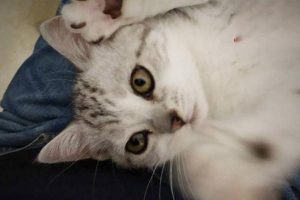
Folliculitis is inflammation of the hair follicles, often from bacteria, mites, or hormone imbalance. It causes hair loss, itching, and red, swollen skin, and can spread into deeper infection. Early diagnosis and antimicrobial care prevent it from becoming deep pyoderma.

Shock in Dogs and Cats
Shock is acute circulatory failure that leaves vital organs starved of oxygen. It can follow severe disease, trauma, or poisoning, and shows as pale gums, weakness, cold extremities, and collapse. Treating the underlying cause is the foundation of recovery.

Pica in Dogs and Cats
Pica is the compulsive eating of non-food objects such as stones, plastic, grass or wall plaster. It often signals a nutritional gap, pancreatic disease or parasites, and swallowed items can obstruct or perforate the digestive tract.

Osteomalacia in Dogs and Cats
Osteomalacia in adult dogs and cats is bone softening from calcium or vitamin D imbalance, causing stiffness, lameness, joint swelling, and easy fractures. It is managed by correcting calcium, phosphorus, and vitamin D and treating underlying gut or parasite disease.

Vitamin D Deficiency in Dogs and Cats
Vitamin D deficiency in dogs and cats impairs calcium and phosphorus use, leading to rickets in the young and osteomalacia in adults, with bone pain, lameness, and deformities. It is prevented and treated by correcting diet, ensuring sunlight, and veterinary-directed vitamin D and calcium.

Glycogen Storage Disease in Dogs and Cats
Glycogen storage disease is an inherited metabolic disorder in which a congenital lack of glycogen-splitting enzymes lets glycogen accumulate in the liver, kidneys, and central nervous system. It causes persistent low blood sugar with weakness, seizures, and incontinence, and needs prompt veterinary care to avoid irreversible brain damage.