Search Results
118 results for “cat obesity”
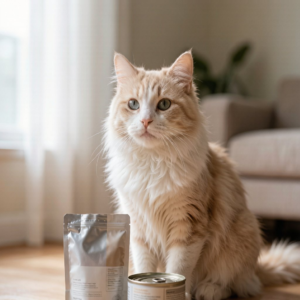
Dry or Wet Cat Food: Which Is Better? (Most Owners Pick Wrong)
Neither dry nor wet food is absolutely better; it depends on the cat. A healthy adult can follow a "dry in the morning, wet in the evening" rule, meeting nutrition and water needs while avoiding spoilage. Special cases, senior cats with poor teeth, 2-3 month kittens, and cats with urinary disease, should lean toward wet food. The catch: long-term wet feeding needs extra dental care. Dry food is convenient, cheap, and helps scrape teeth but is only ~5% moisture and calorie-dense, raising dehydration and obesity risk. Wet food is 70-80% moisture, tastier, and nutrient-rich but costs more, spoils fast, and leaves more residue on teeth.
100 Essential Tips Every New Cat Owner Should Know
Bringing home a first kitten is exciting but daunting, and poor care can hurt both of you. These 100 essentials cover diet (life-stage food, toxic grapes/chocolate/onion/garlic, no bones or raw meat, fresh water), daily care (brushing, nail and ear cleaning, litter hygiene, n+1 boxes), health (vaccines at 8–12 weeks, deworming, normal temperature 38–39.2°C, spay/neuter, no human meds), behavior (slow blinks, tail talk, no punishment), and home safety (screens, hiding wires, toxic plants, no smoke). Read them once and you'll share a calmer, healthier life with your cat.
Why Are Overweight Cats Prone to Pancreatitis?
Chubby cats may look adorable, but excess weight quietly raises the risk of pancreatitis, a painful and serious inflammation of the pancreas. The pancreas secretes enzymes that digest fat, protein, and carbohydrates, but it is a sensitive organ that becomes inflamed when overworked. Overweight cats usually take in too much energy and fat, forcing the pancreas to produce extra digestive juice and overloading it. Obesity also disrupts cholesterol and fat metabolism, adding further pressure. Many heavy cats also eat large amounts of high-fat, high-calorie food, which expands the gut and stresses the pancreas even more. Age, genetics, and certain diseases add to the risk, so while obesity is not the only cause, it is a major one. Keeping your cat at a healthy weight through balanced, low-fat food and regular play is the best defense.
Which Cats Are Prone to Pancreatitis?
Any cat can develop pancreatitis, but some are clearly more vulnerable. Genetics play a role, with breeds like Persians, Siamese, and Maine Coons at higher risk. Obesity is another major factor, since overweight cats strain their pancreas far more than lean ones. Diet also matters: fatty foods, too many artificial additives, and table scraps all burden the pancreas and invite inflammation. Certain medications such as long-term aspirin, morphine, or tetracycline, and viruses like feline infectious peritonitis, can also trigger the disease. Prevention centers on strict weight control, high-quality food, and never dosing a cat without veterinary guidance. Watch for appetite loss, vomiting, or diarrhea and seek care early; diagnosis uses blood pancreatic lipase tests, ultrasound, or cytology, and treatment combines medication, diet management, and sometimes hospitalization.
Causes and Treatment of Abdominal Breathing in Cats
Abdominal breathing in cats is often a symptom of an underlying disease—pleural effusion, a congenital diaphragmatic hernia, or feline infectious peritonitis (FIP) among them—so it always warrants attention and a prompt trip to the vet. A healthy cat breathes 20–40 times per minute; obvious difficulty, rapid or shallow breaths mean seek care immediately. Beyond treating the root cause, prevention matters most: keep up with vaccinations, schedule regular check-ups, and maintain a clean, well-ventilated, smoke-free environment to protect your cat's respiratory health.
Don’t Ignore Joint Pain in Your Cat or Dog
Joint pain is not 'just old age.' From limping and hesitant jumps to morning stiffness and a short temper when touched, pets signal discomfort in quiet ways. Catching it early protects mobility and comfort. Learn the warning signs, why joints degrade, and the practical steps—weight, exercise, and veterinary care—that keep your companion moving.

Why Does Your Cat Eat but Stay Thin? (Worms and More)
A cat that eats well but stays thin is often fighting intestinal parasites—roundworms, tapeworms, hookworms, giardia, or coccidia—that steal nutrients and release toxins interfering with digestion, causing slow or lost weight, anemia, and poor growth. Tell-tale signs include soft stools, rice-like segments near the anus, scooting, pale gums, and a swollen belly. But worms are not the only cause: poor absorption, hyperthyroidism or diabetes, repeated heat cycles, or a low-protein diet can also keep a cat lean. The fix is a tailored deworming plan plus gut probiotics and high-protein meals; spaying helps if heat is the driver. See a vet if weight keeps dropping.
Can Cats Eat Seafood?
Cats can eat seafood, but only the right kinds and in strictly controlled amounts—otherwise you risk digestive upset or even poisoning. Not every seafood is safe: squid, octopus, shellfish, and sea crabs are best avoided. When feeding shrimp, remove the head, tail, shell, and vein first. Freshwater fish like salmon and cod are good choices, rich in quality protein and amino acids. Some cats are allergic to seafood, and heavy metals such as selenium and mercury in certain types can harm the nerves and liver, while shellfish may carry parasites or cause choking and blockage. Always watch the portion size, because a cat's digestion is delicate and any food in excess can backfire.

How to Tell If Your Cat Is Full?
Many cat owners worry their pet is still hungry and keep topping up the bowl, but overfeeding causes indigestion and obesity. To judge whether a cat has eaten enough, watch its post-meal behavior: full cats groom themselves, leave the feeding area, and settle in a sunny, comfortable spot to rest, while hungry cats linger near the food. In multi-cat homes, satisfied cats may even groom each other. Free-fed cats show weaker cues because constant access lowers food excitement. Note that two behaviors are NOT signs of hunger: guarding the food storage (common in newly arrived, unsettled cats) and showing interest in your own meal (an opportunistic scavenging instinct). Control daily portions by age, health, and appetite to keep your cat at a healthy weight.

Cat Food Ingredients to Avoid, No Matter How Cheap
Not all cat food is created equal, and the ingredient list is the single most reliable way to judge quality. Some products hide preservatives, flavor enhancers, and fillers that can harm your cat over time — from potential carcinogens like BHA, BHT, ethoxyquin, and TBHQ to appetite stimulants such as MSG and pyrophosphate. Other risky additives include propylene glycol, nitrites, synthetic vitamin K3, and thickening gums, while artificial colors and sweeteners add sugar and nothing of value. Because cats are obligate carnivores, diets overloaded with corn, wheat, or soy not only lack nutrition but may trigger allergies and even aflatoxin exposure. Learning to read the label helps you protect your cat from low-grade food, no matter how attractive the price.