Search Results
115 results for “cat nose spots”

Pomeranian
The Pomeranian is a tiny, fox-faced spitz dog originally from Germany, known for its fluffy double coat and bold, lively personality. It makes an affectionate and entertaining companion.

Basenji
The Basenji has many skin folds that easily harbor bacteria and cause mange and other skin diseases, so daily cleanliness is especially important, with more baths in summer. Food should be given in proper amounts - too little harms growth, too much causes obesity and lethargy.
My fish has black-centered, white-ringed patches on its head—is this a skin disease?
White patches on a fish are likely skin infection—bacterial or fungal (white spot disease, saprolegnia). Fish disease is hard to diagnose; adjust water quality/temp/environment and diet, try meds; consult experienced keepers if unsure.

Where You Should Never Hit a Dog
Never strike a dog on the nose, tail, belly, or legs — these areas hold delicate nerves, breathing passages, organs, or fragile bones, and a hard blow can cause lasting damage. If you lose your temper, a light pat on the thick thigh or rump is the only safe option, but training works far better than hitting.

What Are the Most Common Turtle Diseases?
Turtles are hardy, but they still get sick, especially with poor water and feeding. The most common illnesses are colds, enteritis, mycosis, and soft-shell disease, each with distinct signs and treatments ranging from antibiotics to diet fixes.
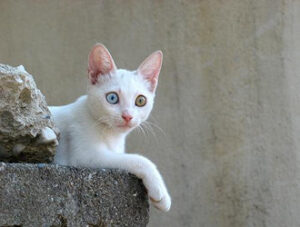
TurkishVan
Turkish Van (details)
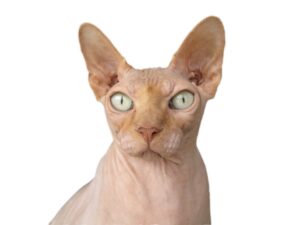
Sphynx
Sphynx (details)

Russian Blue
The Russian Blue, also called Russian Blue, Archangel Blue, or Maltese cat, with English name Russian Blue, is known as the 'aristocrat of shorthairs' and 'elf of winter.' Originating in the 19th century, once only in Russia, now worldwide. Few in number globally; buying one costs at least tens of thousands. Cheap ones are hybrids.

Oriental Shorthair
The Oriental Shorthair is a distinct breed, unexpectedly produced by breeders while developing another cat. They wanted a pure-white Siamese, so crossed Siamese with pure-white cats, producing today's Oriental. Though born in 1962, it was recognized as a new breed in 1972. Its appearance is close to the Siamese but differs greatly in coat color.

Havana
Havana (details)