Search Results
115 results for “cat nose spots”

Why Do Cats Like to Sleep on Your Pillow
A pillow is soft, carries your scent, and lets a cat feel safe and close to you. Cats love pillows for comfort, familiarity, security, and emotional comfort. If you prefer they don't, give them their own soft pillow.

Why Does Your Cat Always Steal Your Seat When You Get Up?
Cats claim your warm, scent-marked spot for comforting reasons: your lingering smell and pheromones soothe them, the residual warmth is inviting, they're marking territory, or they're fishing for attention. It's less annoyance than affection, a sign of a close bond. If you'd rather they didn't, you can gently redirect the behavior.
How to Stop Your Cat from Peeing on the Bed
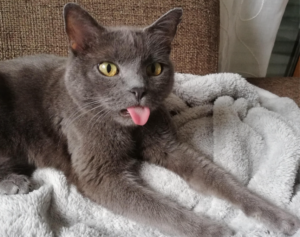
Finding a yellow wet spot on the bed is every cat owner's nightmare. Before anything else, rule out disease: feline lower urinary tract disease (FLUTD) makes urination painful, so cats link the box with discomfort and seek softer spots like the bed. If peeing comes with straining, blood, or constant licking, see a vet. Non-medical causes are a disliked litter box (bad location, poor hygiene, wrong litter, too few boxes in multi-cat homes) and stress or anxiety. Fixes: upgrade the box, scoop twice daily, follow the n+1 rule, ease anxiety with play and pheromone spray, and remove the urine scent with an enzymatic cleaner plus detergent. Most cats return to normal in 2-3 weeks.

Cat Won’t Drink in Summer? 8 Tips to Get It Drinking on Its Own
A healthy adult cat needs about 50-60 ml of water per kg of body weight each day, but dry kibble is only around 5-10% moisture, so summer drinking matters even more. Cats sweat only through their paw pads and ears and cool poorly, so low intake risks heat stress. Practical fixes: use a shallow ceramic or glass bowl (deep bowls annoy whiskers), offer a filtered running-water fountain, keep bowls over 1.5 m from the litter box and place several around the home, rehydrate freeze-dried food, serve wet food in the evening, and offer unsalted broth a few times a week. Senior, obese, and chronically ill cats need closer monitoring for dehydration.
Smells Cats Hate Most (and Why They Matter)
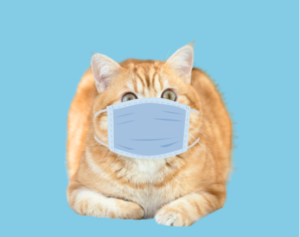
A cat's nose is far sharper than ours, so scents we find fresh can be 'chemical weapons' to them. Most cats hate high-menthol products (white flower oil, cooling balms), citrus peels (limonene and linalool irritate their scent nerves and the plants are mildly toxic), and perfumes. They also reject other cats' smells—a stranger's scent can trigger defensive puffing and hissing. Alliums, camphor products, and vinegar round out the list, while secondhand smoke's 7,000-plus chemicals threaten a small cat's lungs far more than a human's. Keep these away from your cat.
What to Do When Your Cat Has a Fever
Cats get fevers just like people, but a cat's fever is rarely simple - it can signal parasites, stress, bacterial infection, panleukopenia (feline distemper), feline herpesvirus, or various inflammations. A fever is not a small matter: left alone it can damage organs and even turn deadly. Telltale signs include hot ears and tail tip, a dry nose, sweaty paw pads, and a cat that suddenly prefers cool floors and dark corners while eating less and looking limp. Normal cat temperature runs 38-39C (about 39.3C in kittens); above 39.5C is a fever and above 40C is high. For a mild fever or when a clinic is out of reach, cool the paws and belly with alcohol and offer water, but never give human fever medicine, which can be fatal - see a vet for high fevers.

Are Mosquito Coils Toxic to Cats and Dogs?
Pyrethroid coils are safe for people and dogs in small doses but are highly toxic to cats, which can't metabolize them. DEET repellents can cause nervous-system problems in both. If a pet shows vomiting, drooling, uncoordinated movement, or seizures, seek a vet at once. Repel mosquitoes physically, with plants, or by isolating pets during use.

Why Is a Cat’s Nose Always Wet?
A moist cat nose surprises many first-time owners, but the reason is simple: a cat sweats through only two spots on its body, and the nose is one of them. Drinking, washing, and leaving scent marks also add a little moisture. A wet nose helps with temperature control and scent marking. A dry nose is not automatically a sign of illness; it varies with season and indoor air. Only a persistently dry nose, or one that is overly wet from a runny nose, deserves attention.
Symptoms of Fever and Colds in Cats
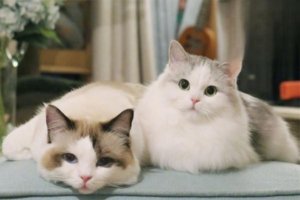
A cat's normal temperature runs higher than a human's, but cats get fevers and colds too. Because they cannot tell us, the signs are easy to miss. Look for a cat that suddenly prefers cool floors and shady spots, has a hot dry nose, seems unusually sleepy with rapid breathing, and has warm ears and belly. Low urine output points to dehydration. Watch also for hypothermia: below 35°C is life-threatening, and pale extremities mean you should rush to the vet.

Common Everyday Cat Illnesses
Five common cat issues: (1) Upper respiratory infection—cough, sneeze, runny nose (yellow discharge is a red flag), from cold or poor nutrition; prevent with warmth and good food. (2) Fleas—scratching and black specks after a bath; treat with a vet-recommended flea product. (3) Heartworm—intermittent vomiting, cough, wheezing, lethargy; prevent with monthly prevention and by controlling mosquitoes (the intermediate host) and clean water. (4) Periodontal disease—bad breath, drooling, only soft food; prevent with regular brushing/cleaning. (5) Obesity—oval loaf shape, jiggling belly, hard-to-feel ribs; leads to diabetes, lower-urinary disease, arthritis, hepatic lipidosis; feed measured meals and exercise.