Search Results
435 results for “cat neuter”
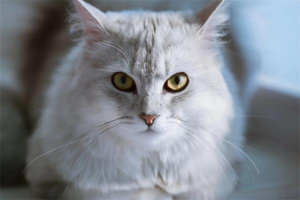
How to Help Your Cat Develop Fuller Cheeks
A cat's "chipmunk cheeks" (stud jowls) are a male secondary trait driven by testosterone, with the key window at 5–8 months and set by about 12 months. Support it with high-protein food (35%+), meat, regular deworming, neutering at 8–10 months, and jaw exercise — but many cats (females, Siamese, Sphynx) simply won't develop them.
How to Remove Cat Urine Odor
Neutralize cat urine with acid or enzyme cleaners, a baking-soda soak, or activated-carbon and pet odor eliminators. But also fix the cause - marking, stress, or heat - since calming an anxious cat stops repeat accidents.
Can cats be line-bred (mated with relatives)?
Not recommended. Although some breeders do it for pure bloodlines, inbreeding raises the risk of stillbirth, deformity, developmental issues, and low intelligence. Separate related cats after weaning or spay/neuter them.
What should I do if my male cat keeps getting thinner?
A male cat that keeps losing weight may be in prolonged heat or infected with internal parasites. Heat raises metabolism via hormones, so he won't gain; if you won't breed him, neuter him. Internal parasites steal nutrients and can cause vomiting and diarrhea, so deworm (every 2-3 months internally, monthly externally) if it's been a while. Thyroid disease or chronic gastroenteritis also cause weight loss - see a vet.
What causes a cat’s oily tail (stud tail)?
A cat's oily tail comes from overactive sebaceous glands, clinically called stud tail, common in intact male cats in heat. High testosterone disrupts hormones, so the glands secrete excess oil that clogs follicles. Clean it with pet shampoo, keep the environment clean to avoid infection, and avoid high-fat food; if it persists, see a vet about neutering.
What are the symptoms of a male cat in heat?
He sprays urine everywhere to attract females, gets irritable and tries to escape (secure windows and doors). Long heat can lower appetite and weight. If no breeding plan, consider neutering.
What should I do about my cat urinating everywhere?
A cat peeing in random spots can be from heat, a urinary disease, or disliking the litter box. Most unneutered toms spray to mark territory — clean it up promptly and neuter if you don't breed. If the cat shows frequent/ painful/scant urination, it's likely urethritis or stones — see a vet. A too-small, shallow, dusty or dirty box also puts the cat off; check and fix it.
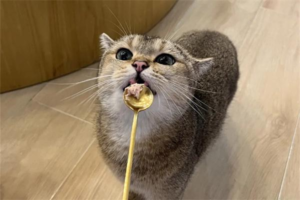
Why Feeding Stray Cats Can Do More Harm Than Good
Feeding strays at a fixed spot can backfire: it draws crowds that may attract cruelty, fuels unneutered breeding, and erodes the cats' wild survival skills. It can also disturb neighbors. Feed irregularly and keep your distance, or better yet adopt or arrange neutering.
Why Do Stray Cats Fight Each Other?
Stray cats most often fight to defend territory, compete for food and water, or win mating rights. Fights also establish social rank and can flare up between cats with clashing temperaments. While rarely fatal, injuries and infection are real risks rooted in the daily struggle to survive.
At what age is a cat fully grown (adult)?
A cat is considered an adult at 1 year old, roughly equivalent to a 15–18-year-old human. Adults can be bred or spayed/neutered; from age 8 a cat is a senior and needs gentler care.