Search Results
435 results for “cat neuter”

Treatment and Prevention of Stud Tail Dermatitis in Cats
Stud tail is usually mild but recurs and needs ongoing care. Treatment includes medicated benzoyl-peroxide baths, topical antibiotics, neutering, and—if severe—cellulitis care. Prevention centers on diet, hygiene, and neutering.
What Are the Symptoms of Stud Tail in Cats?
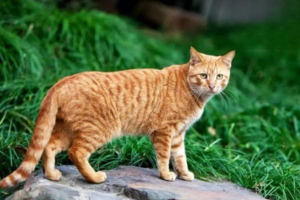
Stud tail looks like blackheads on a cat's tail base, with greasy matted fur and a foul waxy buildup, and can progress to infection. This article covers its causes, symptoms, and treatment plus prevention.

What Is Stud Tail in Cats and How to Treat It
Stud tail (tail gland hyperplasia) is an oily, acne-like skin condition in cats caused by hormone-driven sebum overproduction—common in intact males. Learn its causes and the treatment approach: neutering, antibiotics, and topical cleaning.

What Medication for Bleeding, Suppurating Cat Tail Folliculitis
Tail folliculitis comes from overactive sebaceous glands clogging pores, mostly in males; neutering often stops it. When it bleeds or suppurates, bacterial infection (pyoderma) is likely—see a vet. This article covers the steps.
Can Cat Chin Folliculitis Heal on Its Own?
Cat chin folliculitis (black chin) comes from oil buildup, clogged follicles, and bacteria. Mild cases may self-heal with diet and hygiene; severe ones rarely do. This article covers how to speed recovery.
Why Cat Folliculitis Keeps Recurring
Recurring cat folliculitis is usually tied to diet and endocrine issues, or stopping medication too early. This article covers the causes and prevention.
What Ointment Works for Cat Folliculitis
Cat folliculitis is skin inflammation from excess oil clogging follicles. Clean with an alkaline wash, then apply erythromycin ointment; a skin spray and zinc oxide ointment also help. This article details the care.

What to Do When a Cat’s Tail Folliculitis Causes Heavy Shedding
Tail folliculitis in cats, also called 'stud tail,' causes hair loss and redness from overactive sebaceous glands. Treatment means adjusting diet, cleaning, medicated baths, and sometimes neutering. Once the folliculitis clears, the hair grows back.

Type 1 and Type 2 Diabetes in Cats
Cat diabetes comes in two types, split mainly by how much the cat depends on insulin. Any cat can get it, but older, neutered, male, and obese cats are more at risk. Learn the causes, signs, and treatment of feline diabetes.
What to Do When a Cat Gets Diabetes From Obesity
A chubby cat may look adorable, but obesity raises the risk of diabetes and can shorten its life. If a cat already has obesity-driven diabetes, early and steady care is what matters. Learn the treatment steps.