Search Results
435 results for “cat neuter”

How to Prevent Megacolon in Cats
Megacolon is a chronic enlargement of the colon that shows up first as persistent constipation, and about two-thirds of cases are primary with no clear cause. Keeping a cat hydrated, high in fiber, at a healthy weight, and well-groomed is the best prevention; severe cases need enemas or surgery.
Why Cats Get Annoyed — and How to Make Up Afterward
Cats are territorial and sensitive to pressure, so the fastest ways to annoy one are bringing home another cat, pointing a finger at it, or handling it too roughly. Once you have upset a cat, give it space, approach calmly, and win it back with a soft voice, a slow blink, and a treat.

Cat Chin Acne (Feline Folliculitis): Symptoms and Treatment
The "black chin" is feline folliculitis — overactive sebaceous glands clogging the pores, essentially the same as human acne. Most cases are mild and clear up with saline wipes, a diet lower in oil, and swapping plastic bowls for ceramic or stainless steel; neutering also helps by steadying hormone levels.
Why Has Your Cat Been Gone for Days and Not Come Home?
A cat that vanishes for days is often a sexually mature cat that slipped out to find a mate while in heat. Spaying or neutering around 5–6 months of age prevents both the escape behavior and the health risks — such as mammary and prostate tumors — linked to repeated, unsatisfied heat cycles. Watch for the telltale signs (restlessness, vocalizing, spraying, vulvar swelling) and have your cat fixed before the first heat if you don't plan to breed.
What to Do When Your Cat Is in Heat
A cat in heat can disrupt household life: toms tend to spray urine around the home, while queens yowl loudly enough to disturb sleep and draw neighbor complaints. The most reliable fix is spaying or neutering. Calming powders exist for short-term emergencies but should not be used long term, and the ideal surgery age is still debated between around four months and the traditional six to eight.

Are There Side Effects from Estrus-Suppressant Powder in Cats?
Estrus-suppressant powder is a hormonal product that briefly stops a cat's heat behaviors with little to no side effect when used occasionally. Long-term reliance, however, disrupts the hormones and endocrine system, so spaying remains the recommended fix for recurring heat.

Cat Diabetes? Owners Need to Take a Hard Look
Feline diabetes is usually driven by overfeeding treats and obesity, with type II (insulin resistance) most common. Watch for ravenous appetite with weight loss and excess drinking/urinating; it's managed, not cured, through high-protein low-carb food, measured meals, and insulin. Neutered males over 8 are most at risk.
Why Is My Cat Suddenly Peeing on the Bed?
A cat peeing on the bed usually means a lingering urine smell on the sheets, a filthy litter box, heat-related spraying, or a urinary-tract disease. Urinary trouble shows as painful, drippy, or bloody urination and can progress to a blockage — an emergency. Treatment ranges from antibiotics (amoxicillin, amoxicillin-clavulanate, ofloxacin) for inflammation to flushing or surgery plus urine-acidifying drugs for stones.
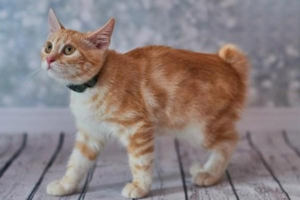
Can a Spayed Cat Grow Ovaries Back?
Can a spayed cat grow ovaries back? In general, no. If a spayed cat appears to grow ovaries again, it may be that the previous spay surgery did not remove the ovaries completely, causing the cat to go into heat again.

Precautions for Feeding Milk to Cats
Like us mammals, cats can have milk nutrition for life. Here's how to feed it.