Search Results
604 results for “cat needs”
The Six Essential Nutrients Every Cat Needs
Like all mammals, cats need six nutrients to stay healthy: protein, carbohydrates, fat, minerals, vitamins, and water. Except for water, these must come from a balanced cat food rather than being offered separately. Each nutrient plays a distinct but interlocking role—protein builds and repairs tissue, fat supplies concentrated energy, and vitamins support everyday function. This article explains what each nutrient does, why animal protein suits cats best, and a key caution: raw fish and raw meat can rob cats of vitamin B1 and invite parasites, so always cook them and choose a complete, well-labeled commercial diet.

Why Your Cat Needs Deworming
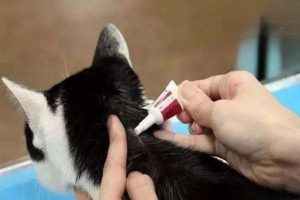
Regular deworming is a basic safeguard for your cat's health, splitting into internal and external care on a three-month and one-month rhythm. Apply external drops where the cat can't lick, time internal tablets around meals, and follow with a probiotic to protect the gut.
How to Tell If Your Cat Needs Deworming
Most internal parasites are invisible to the naked eye until an infestation is advanced, so routine deworming matters more than waiting for symptoms. Kittens need monthly protection and healthy adults every three months; a vet can confirm parasites from a stool sample under the microscope.
CoQ10 for Cats and Dogs: Food Sources, Benefits, and Who Needs It
Coenzyme Q10 (CoQ10, or ubiquinone) is a fat-soluble compound that helps cells make energy and is concentrated in high-demand organs such as the heart, liver, and kidneys. Most healthy pets make enough on their own, but seniors, certain breeds, and pets with heart conditions may benefit from supplementation. This guide covers what CoQ10 does, which foods naturally contain it, which pets are most likely to need a supplement, and the key safety precautions to keep in mind.

How to Calculate Your Cat’s Daily Calorie Needs
In reviews I found many feeding guides on cat food do not perfectly fit a cat's energy needs; age, health, and activity differ, so guidance and reality diverge.

Is It Normal for Cats to Sleep With Their Eyes Open?
A cat sleeping with eyes open is usually normal and tied to its sleep style. In light sleep, cats stay alert with eyes partly open so they can react and escape danger fast; deep sleep closes the eyes. Some cats simply prefer partially open eyes. But eye disease can also cause it, so check for tears or redness.
CoQ10 for Cats: How to Choose and Use It
Cats enter old age after 7, when heart disease affects a large share of the population, and their own CoQ10 production falls below half of youth levels. For breeds prone to hypertrophic cardiomyopathy, veterinary-guided CoQ10 is common supportive care. This guide explains why cats need CoQ10, the market pitfalls to avoid—false potency, conceptual add-ons, and fake credentials—and the three basics of choosing a product, plus feeding rules and cautions. CoQ10 supports care but never replaces prescribed heart medication.

Can Cats Eat Rice?
Cats can eat rice, but only in small amounts, never as a staple. As obligate carnivores they need protein from meat, fish, and poultry, and lack enough amylase to handle large amounts of carbohydrates, so too much rice causes digestive trouble. If you offer rice, give a little plain steamed white rice with no oil, salt, or seasoning.
Why Is Your Cat Withdrawn or ‘Autistic’?
A cat that seems 'autistic' or withdrawn may have a congenital communication disorder, or may have become so from abuse, a cold or distant owner, long-term caging, or past trauma and fright. Signs include little curiosity, isolation in corners, dulled reactions, sleep and appetite loss, and in severe cases self-harm. These cats need extra love and companionship, gentle interaction, and confidence-building, and should never be abandoned, since a withdrawn cat struggles to survive outdoors.
Dry or Wet Cat Food: Which Is Better? (Most Owners Pick Wrong)
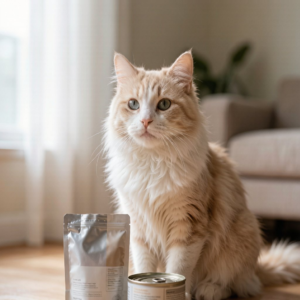
Neither dry nor wet food is absolutely better; it depends on the cat. A healthy adult can follow a "dry in the morning, wet in the evening" rule, meeting nutrition and water needs while avoiding spoilage. Special cases, senior cats with poor teeth, 2-3 month kittens, and cats with urinary disease, should lean toward wet food. The catch: long-term wet feeding needs extra dental care. Dry food is convenient, cheap, and helps scrape teeth but is only ~5% moisture and calorie-dense, raising dehydration and obesity risk. Wet food is 70-80% moisture, tastier, and nutrient-rich but costs more, spoils fast, and leaves more residue on teeth.