Search Results
7 results for “cat nail splitting”

What to Do About Split Cat Nails
Cat nails renew quickly and normally split in layers. Uneven trimming can also cause splitting. Today we discuss how to protect your cat's nails.

A Few Steps to Easily Bathe Your Cat
After bathing, owners feel like they fought a battle; even calm cats become different at bath time. Bathing is hard but has method. Here are tips.
There is black stuff in my cat’s claw; the claw split down the middle and the area around it is red and swollen.
A claw splitting down the middle with redness is usually a scratch while playing; the black stuff may be dirt or blood. Check for pus, drain if needed, clean with peroxide or chlorhexidine, apply ointment, and use an Elizabethan collar. Trim nails regularly.
What should I do if my cat’s nail splits into a thin layer?
A thin split layer is normal - cats shed outer nail sheaths to stay sharp, so no worry. Fast growth or dry air can also cause cracking, so trim regularly and use a humidifier in autumn/winter. Vitamin deficiency can also be a cause, so vary the diet.

Is It Normal for a Cat’s Claws to Split?
A splitting claw can be normal — a cat's claw is layered, and as the new claw grows the old outer layer splits and sheds, a natural part of claw renewal. But splitting can also come from poor diet, low calcium, injury, or infection; treat those promptly. Trim claws regularly and, in dry weather, dab a little oil around the nail to prevent cracking.
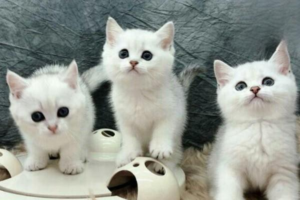
Helping Your Cat Tolerate Nail Trims
Cats need sharp claws for climbing, and a trimmed tip grows back in about a week—so this is ongoing care, mostly to protect you from scratches. Front claws (5 each) sharpen fast and need ~weekly trims; blunter back claws (4 each) need only monthly. Use an Elizabethan collar or restraint, expose the claw by pressing the pad, and cut 2 mm outside the pink quick, perpendicular to the thin edge, steady and quick (under 5 minutes; two people help beginners). Make it pleasant with food rewards and 'go with the flow' timing when the cat is cuddly.

Slow Loris
The Slow Loris (Loris tardigradus) is a small prosimian of the family Lorisidae and genus Loris. It is nocturnal, moves slowly, and prefers to rest atop tree branches. In recent years, due to habitat destruction, hunting for use in traditional medicine, overhunting, and its own biological traits, it is on the brink of extinction.