Search Results
107 results for “cat mycoplasma”

What Are the Symptoms of Cat Mycoplasma Infection?
Feline mycoplasma is a mixed bacterial infection, a contagious respiratory disease and the agent of mycoplasma pneumonia. Treat promptly if infected. Here we explain the symptoms.
What oral medication is best for canine adenovirus type 2 and canine mycoplasma?
This mixed infection needs antivirals and antibiotics to relieve signs and prevent secondary infection; adenovirus type 2 causes infectious bronchitis treated symptomatically with cough/expectorant/anti-inflammatory drugs and electrolytes. Oral drugs work poorly, so injectables, IV, and nebulization are preferred.
Cat has mycoplasma and pneumonia, want to make a home nebulizer, how to mix the medicine
Mycoplasma is treated with doxycycline or tylosin; nebulize lincomycin, ambroxol, or dexamethasone with saline. Self-nebulizing is not advised if pneumonia has developed.
My Cat Born 6/28, Brought Home 10/13, Sneezes with Runny Nose and Eye Discharge but Eats Normally; PCR Shows Mycoplasma, Chlamydia, Bordetella—How Serious, What Medicine?
The PCR shows high positive Mycoplasma, Chlamydia, and Bordetella with severe mixed infection; follow the vet's medication and care, and consider hospitalization given the many symptoms.
My cat has repeated colds for over half a year; tests show mycoplasma infection that won’t heal
Feline mycoplasma can be treated with doxycycline, tylosin, or florfenicol. If severe, check for secondary pneumonia. Mycoplasma treatment is long and relapse-prone, so seek targeted veterinary care. Regularly disinfect the environment, keep it ventilated, keep the cat warm when seasons change, and add nutrition.
What medication is used to treat mycoplasma infection in cats?
Mycoplasma infection in cats requires dedicated anti-inflammatory medication, with doxycycline being a common treatment. Spleen aminopeptide, an immune regulator, can help boost the cat's immunity and support recovery. Always follow your veterinarian's advice, as treatment usually takes a long course.
How to medicate and treat calicivirus, herpesvirus, and mycoplasma infection
This is a mixed respiratory infection needing interferon, antibiotics, and symptom care. The viruses have no specific cure, so use interferon and antivirals; herpes eye issues need eye drops, and mycoplasma is treated with doxycycline, ideally nebulized.

Cat Rhinotracheitis and Amoxicillin: What to Use Instead
Feline rhinotracheitis is usually viral with mixed bacteria, and amoxicillin does not cover the chlamydia and Bordetella often involved — so five days of it may do little. Reach for doxycycline or azithromycin only once real symptoms (yellow-green discharge, red swollen eyes) appear, and dose strictly under veterinary guidance.

Disinfecting Your Home During Cat Rhinotracheitis
In a multi-cat home, one case of rhinotracheitis can spread through shared bowls, bedding, and even owner shoes. The herpesvirus survives about 24 hours and calicivirus up to 28 days, so disinfect with bleach, a potassium-peroxymonosulfate product, or 75% ethanol — after cleaning the surface first.
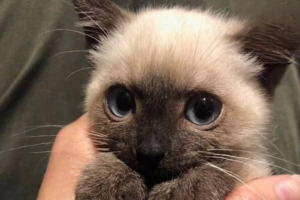
The Cat Flu Vaccine: How It Works and What It Does
Cat flu comes from herpes, calicivirus, mycoplasma, chlamydia, and Bordetella — and the FVRCP (cat triple) vaccine is the main defense. It doesn't fully block herpes (which hides latently in nerves), but it softens symptoms and shortens shedding; isolate sick cats room-to-room and disinfect.