Search Results
243 results for “cat mouth ulcers”

Understanding Mouth Ulcers in Cats
Mouth ulcers are a fairly common feline dental problem with causes that range from immune system weakness to diet, genetics, and infection. Signs include drooling, bad breath, and weight loss. Veterinary cleaning plus good home dental care keeps most cases under control.

Is It Normal for a Cat to Stick Its Tongue Out Often?
A cat with its tongue out is often just adorable — and usually harmless, from a grooming interruption, a short chin, heat, or post-play panting. But frequent tongue-out with drooling, bad breath, or heavy breathing after little exercise can signal mouth disease (stomatitis, periodontal disease) or heart/lung trouble and warrants a vet check.

Diseases Cats Are Prone to in Winter
Winter weakens a cat's defenses, raising the risk of three problems: panleukopenia (distemper) — highly contagious, often fatal in kittens, prevented by vaccination; feline herpesvirus (cat flu) — carried silently, deadly when it flares in the cold; and chill-driven vomiting/diarrhea that can become gastroenteritis. Keep up vaccines and nutrition, stay warm, and limit winter baths to once every one to two months.

Cat Cold vs. Feline Herpesvirus: What’s the Real Difference?
A cat cold is a mild chill-driven illness; feline herpesvirus (cat flu) is a serious, contagious respiratory disease, mostly FHV-1, often mixed with other pathogens. The herpes form attacks the eyes and mouth in ways a cold doesn't—and only the FVRCP vaccine and good hygiene keep it at bay.

Why Are My Cat’s Gums Red at the Edge?
Red gums at the margin usually mean gingivitis, and left alone it can deepen into stomatitis—bad breath, drooling, mouth ulcers, and pain that stops a cat from eating. Catch it early with diet changes and oral care; severe cases may need a full extraction.

Why Your Cat Has Bad Breath
Cat bad breath usually traces to dental caries from soft food, mouth infections, poor digestion, or a vitamin B shortage. Brush the teeth, ease the gut with probiotics, and add B vitamins, and see a vet when the cause is unclear.

What to Do When a Cat Is Sleepy and Lethargic, and Signs of Illness
Lethargy after vaccination is usually a brief, harmless reaction, but disease can also cause it. If the cat still eats and acts normal when awake, it is likely fine; if appetite drops with low energy, see a vet. Other warning signs include vomiting, diarrhea, eye/nose discharge, drinking trouble, ear scratching, and skin itching.

How to Give Your Cat a Home Health Check
A hands-on check covers body condition and spirit, then vitals (temperature, pulse, hydration) and a look at the eyes, nose, mouth, ears, skin, chin, anus, and genitals. Red flags such as gum redness, ear-mite crust, tapeworm segments, or a dirty chin mean a vet visit.

Cat Kidney Failure: Symptoms and Treatment
Kidney disease is a leading killer of cats, and renal failure comes in two forms — acute (ARF), often from blockage, toxins like antifreeze, or infection and reversible with fast care, and chronic (CRF), a progressive, permanent decline common in older cats. Management means prescription renal food, ongoing meds, appetite support, and plenty of water; catch it early, because CRF hides until uremia appears.
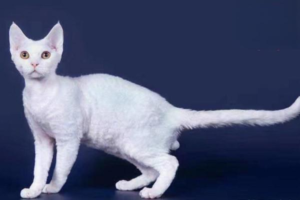
Cold Symptoms and Fever in Sphynx (Hairless) Cats
Sphynx (hairless) cats lack a fur coat and lose heat far more easily, so they catch colds more readily than other breeds. Mild cases with a low fever under 39.5°C can often recover at home with warmth and supportive care, but a cat that won't eat, grows weak, or fails to improve needs prompt veterinary attention.