Search Results
243 results for “cat mouth ulcers”

What Is Cat Stomatitis and How Is It Treated?
Cat stomatitis is one of the harder feline diseases to cure, and severe cases can be fatal because a sore mouth leads a sensitive cat to stop eating. Its cause is complex, tied as much to the immune system as to infection, which is why antibiotics alone fall short. This guide explains what stomatitis is, its symptoms and types, how extraction works, and the daily oral care that prevention depends on.

What to Do If Your Cat Has Cryptococcosis
Cryptococcosis is an environmental fungus found in soil and air, and cats often catch it by inhaling spores that travel from the lungs to the rest of the body, or through wounded skin and the mouth. Pigeons are the most important carrier, so the fungus concentrates wherever birds roost, in attics, and among decaying leaves. Signs range from skin nodules and nasal discharge to nervous-system and eye problems. Diagnosis relies on microscopy, fungal culture, X-rays, and blood tests, and oral antifungals such as ketoconazole, itraconazole, and fluconazole are the main treatment. Starting therapy early and keeping it consistent gives the best chance of recovery.

Cat Upper Respiratory Infection: Symptoms and Treatment
A cat upper respiratory infection is inflammation of the mucous membranes of the upper airways. Affected cats typically cough, sneeze, and have a runny nose, sometimes with yellow nasal discharge, and a sudden drop in temperature, poor nutrition, or stress can trigger an outbreak. The usual culprits are viruses such as herpesvirus and calicivirus, bacteria such as Chlamydia, and fungi such as Cryptococcus. This article covers the common pathogens, how viral, bacterial, and fungal infections differ in their signs, what else can mimic these symptoms, and the supportive care and medications veterinarians rely on to treat them, from keeping the eyes and nose clear to antiviral, antibiotic, and antifungal therapy.

What Causes Cat Bad Breath
A healthy cat's mouth smells faintly of fish or food, never foul. Lasting odor means trouble: soft food and cans cause cavities and tartar, digestion issues and oral infection add smell, and B-vitamin deficiency is a culprit. Watch for dirty teeth, drooling, or gum pain, brush young, and see a vet for diagnosis and treatment.

When Cat Bad Breath Signals a Real Problem
Cat bad breath isn't just funny; it can point to digestion issues, kidney failure, feline leukemia, diabetes, or most often the mouth itself. Untreated plaque lets bacteria rot teeth, inflame gums, and even enter the blood to harm heart, lungs, liver, and kidneys. Check for trapped food, broken teeth, swollen gums, tartar, and ulcers, then clean or treat.

Can a Cat’s Cold Heal on Its Own?
Whether a cat's cold clears by itself depends largely on its own resistance and the virus's strength. A cat with good constitution can beat the virus and recover; a weak one may relapse and, in severe cases, die. Ordinary colds are rarely fatal, but serious viral colds are hard to cure and can be deadly. The common viral causes are herpesvirus (cat flu / upper-respiratory infection), calicivirus, and chlamydia—none heal by willpower alone and need targeted medication. Herpesvirus: fever, sneeze, runny nose, eye inflammation, possible mouth ulcers; calicivirus: also joint and mouth inflammation; chlamydia: also swollen lymph nodes. When unsure, see a vet for a confirmed diagnosis.

What Is Stomatitis in Cats and What Are the Symptoms?
Feline stomatitis is inflammation of a cat's mouth, caused by various local irritants or systemic diseases, and may be localized or widespread, primary or secondary to another condition. It's an umbrella term covering glossitis, gingivitis, and mucosal inflammation. Signs include poor appetite, drooling, painful chewing, red swollen gums, and bad breath; severe cases show blisters and ulcers. The cause is unclear but likely immune-mediated. Treatment is either medical (chlorhexidine rinses plus antibiotics and corticosteroids under veterinary supervision) or, for stubborn cases, extraction of the premolars and molars — sometimes a full-mouth extraction.

What Injections Does a Cat with a Cold Need?
Never give a cat cold medicine or injections blindly. For anti-inflammatory or antibiotic shots, a vet must diagnose first—injecting without guidance can harm the cat. An ordinary cold shows sneezing, runny nose, and watery eyes, sometimes fever, with little change in spirit or appetite. A viral cold (upper-respiratory infection) brings cough, congestion, sneeze, fever, thick nasal discharge, heavy eye discharge, conjunctivitis, and mouth ulcers; it's more severe, can block tear ducts and cause light aversion and hiding, even vision loss and refusal to eat. When to inject: high fever needs an antipyretic shot (vet-guided); viral colds get antiviral fluid; severe secondary infection needs the right antibiotic; serious dehydration needs subcutaneous glucose. Leave all injections to a professional.

Kidney Disease: The Silent Threat to Cats and Dogs
Kidney disease is a silent killer of pets—early signs are subtle, and by the time you notice lethargy, weight loss, excessive thirst, frequent urination, reduced appetite, vomiting, or bad breath, treatment may be overdue. Studies suggest 1 in 3 cats and 1 in 10 dogs has kidney disease. Newer testing (SDMA) can flag problems when only 25% of function is lost, far earlier than traditional tests (75%). Management means vet-guided diet and medication, no table scraps or treats, encouraging water, and regular monitoring.
Why Do Cats Get Stomatitis?
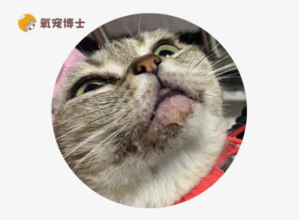
Feline stomatitis is a painful, chronic, immune-driven inflammation of the mouth—not just sore gums. Calicivirus and autoimmune disease are the usual triggers, while other viruses, plaque, breed, stress, and poor nutrition add risk. Because it hurts to eat, cats waste away, so finding the cause matters; for stubborn cases, full-mouth extraction often brings lasting relief.