Search Results
243 results for “cat mouth ulcers”
Cat Got Wet, Then Weak with Mouth Sores, Drooling, and Bad Breath; What Is Wrong?
Mouth ulcers, drooling, bad breath, and poor appetite point to stomatitis, commonly from calicivirus or tartar. An unvaccinated kitten may have weakened immunity triggering latent viruses.
My cat’s nose is injured, it drools, sounds hoarse, and eats less; what is wrong?
This is likely not simple injury but stomatitis from calicivirus or immune disease. Check the mouth for bad odor, drooling, difficulty swallowing, and red ulcers. See a vet to confirm the cause.
My three-and-a-half-month-old rabbit grew this over the last two days and I used an mouth-ulcer medicine. How long until it heals?
Rabbit mouth ulcers show red oral mucosa, a row of white blisters inside that burst into sores, drooling and difficulty eating. Check for these and treat promptly.
My cat’s mouth is ulcerated and it cannot eat easily; it paws at its face and cries in pain when it licks the area.
Ulcers around a cat's mouth may be caused by trauma, insect bites, or oral inflammation. First put on an Elizabethan collar to stop further scratching and check inside the mouth for ulcers.
What happens if a cat licks hydrogen peroxide?
Hydrogen peroxide irritates a cat's stomach and intestines because of its strong corrosiveness, causing mouth ulcers, esophagitis, and gastric ulcers with drooling, vomiting, and abdominal pain. Give the cat water and watch for abnormal symptoms.
What happens if a Siamese cat catches a cold?
A Siamese cat cold shows sneezing, runny nose, nasal congestion, coughing, and tearing, which over time affects spirit and appetite. Give pet cold medicine and doxycycline, and observe 3-5 days. If no improvement or signs like eye ulcers appear, it may be feline rhinotracheitis or calicivirus.
What happens if a cat eats sweets?
Sweets harm oral health and cause obesity, diarrhea, indigestion. Sticky sweets breed bacteria causing ulcers and tartar; poor sugar metabolism causes indigestion; long-term sweets cause obesity straining organs.
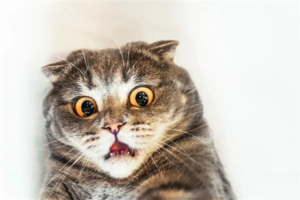
What to Do When Your Cat Has Swollen, Red Gums?
Swollen, red gums in cats can come from plaque, tartar, oral infection, poor nutrition, or teething. Mild cases may respond to a pet oral antiseptic spray or anti-inflammatory medication, while tartar and periodontal disease may need a dental cleaning or extraction. Feeding soft wet food and rinsing with pet mouthwash during recovery, plus regular brushing, prevents recurrence.
What causes a cat to drool thick saliva for a long time?
Chronic thick drooling in cats is often related to oral diseases such as tartar, gingivitis, or stomatitis caused by calicivirus. Ongoing inflammation stimulates saliva production, leading to excessive drooling. It is best to check the cat's mouth and take it to a vet for further examination if problems are found.
How can you tell if a cat has stomatitis?
Stomatitis shows as mouth ulcers, red swollen gums and mucosa, drooling, and reduced appetite; early on the cat may just eat cautiously and slowly. As pain worsens, the cat stops eating and drools frequently. Some cats also have heavy tartar, plaque, and loose teeth.