Search Results
231 results for “cat marking”
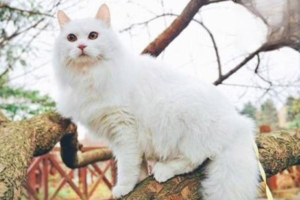
Why Your Cat Licks You (and When to Stop It)
A cat that licks you is usually showing love, asking for food or a clean box, marking you with its scent for security, or telling you it's unwell. But the barbed tongue can abrade your skin into red patches, and a cat's mouth carries bacteria including Bartonella (cat-scratch disease, from fleas/ticks), which can pass through tiny unseen wounds. Stop licking promptly, separate the cat at night, or use a scent it dislikes. If licked, wash 15 minutes with soap and running water, disinfect with dilute iodine, and see a doctor for visible breaks—watching for rabies too.

What to Do When Your Cat Eliminates Outside the Litter Box
Cats don't pee or poop randomly without a reason, so fixing it means finding the cause. Common ones: never learned the box (left the mother too early), bullied by other cats, disliking the box (too far, too tall, smelly litter), illness (soft stool, UTI, stones, diabetes), or anxiety marking. Solutions are specific—teach the box, build the outcast's confidence, fix the box setup, treat disease, and address social frustration (neutering alone won't stop spraying).

Why Cats Pee on the Bed and How to Stop It
Bed-peeing falls into three types: normal inappropriate elimination, stress peeing (literally scared into it), and urine marking (spraying). You can tell them apart by the stain—round with digging for normal, a few drops with no digging for stress, and a vertical streak with raised hips for marking. Clean with enzymes to remove the scent pheromone that invites re-marking, spray deterrent, then fix the root cause: litter training, reducing fear through socialization, and easing the anxious, rejected cat.
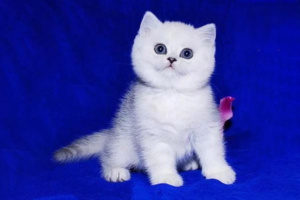
Stopping Your Cat from Scratching Furniture
A new cat owner's nightmare is shredded sofa, but scratching is instinct you can't stop—only redirect. Cats scratch to sharpen claws (shedding old keratin) and to leave scent from paw glands for security, and sometimes to demand attention. Correct by teaching 'don't' with instant, firm interruption, supplying scratching posts near the furniture, and protecting pieces with anti-scratch film or deterrent spray. Education comes first; barriers are backup.

How to Prevent Tape-Sticking Stress in Cats
If a cat steps on tape or gets sticky paper on a front paw, it shakes the limb frantically, panics, and bolts—because the paw pads are vital for shock absorption, sweat-cooling, scent marking, and balance. Losing that sense is disorienting, even nauseating. You can desensitize the cat with gradual training: while petting to keep it calm, wrap tape on the paws, then soothe until it stops shaking, repeating until it calmly removes the tape with its mouth. Household 'sticky traps' then cause far less chaos—and less furniture damage.

Should You Spay or Neuter Your Cat?
Deciding whether to spay or neuter your cat is a personal choice with real trade-offs. Benefits include fewer diseases—neutering males lowers urinary and prostate problems and stops territorial spraying and aggression, while spaying females prevents ovarian cysts, pyometra, and mammary or ovarian tumors—plus a longer average lifespan and calmer behavior. The main drawback is a higher obesity risk because hormones shift and activity drops, which raises the chances of diabetes, joint, heart, and urinary-stone problems, especially in males. The right call depends on your cat; if you proceed, always use a licensed veterinary clinic.

How Long Does a Cat Stay in Heat? A Complete Guide
A queen in heat usually cycles for 3–6 days, while a male stays reactive for 7–10 days, often triggered by nearby females. Cats are seasonal, repeat breeders driven by daylight, peaking in spring and autumn. If a cat stays in heat beyond three weeks with abnormal discharge, it may signal cysts or infection—time for a vet visit. Spaying remains the most reliable fix.

Pneumothorax in Dogs and Cats: Symptoms, Treatment, and Prevention
Pneumothorax is air trapped in the chest cavity, collapsing the lung and causing sudden breathing difficulty. It may follow trauma or arise spontaneously, and is treated by removing the air and, for open or tension types, closing the chest wound or surgery.

Bronchopneumonia in Dogs and Cats: Symptoms, Treatment, and Prevention
Bronchopneumonia (lobular pneumonia) is inflammation of the small airways and alveoli, marked by high swinging fever, rapid breathing, and focal lung sounds. It is treated aggressively with antibiotics, cough and phlegm control, and supportive care.
My 8-year-old cat is coughing with rapid breathing and was given meloxicam and doxycycline — what should I do?
The X-ray shows thickened lung markings suggesting pneumonia, and the heart is displaced upward, raising concern for pneumothorax or heart disease. Further imaging such as a culture and echocardiogram is needed to confirm the cause and guide targeted treatment, including the most effective medication found through sensitivity testing.