Search Results
347 results for “cat lump”

Why Cats Bleed Abnormally
Abnormal bruising and bleeding in cats come from clotting disorders, which fall into three groups: platelet problems, blood-vessel defects, and missing clotting factors. Causes range from rat-poison ingestion and infections to bone-marrow disease, and some can be life-threatening.

What to Prepare Before Getting a Cat
Before a cat comes home, stock the daily essentials — food, a litter box, bowls, a wand toy, parasite control, and a few health basics. A short list of 'next step' and 'advanced' items can follow as you learn your cat's needs.
Do Cats Have Blood Types?
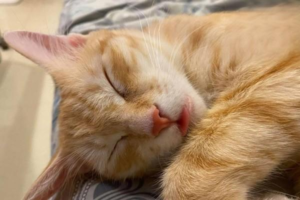
Cats have three blood types — A, B, and AB — defined by proteins on the red cell surface. Knowing a cat's type matters because the wrong transfusion can trigger a fatal reaction, so typing and cross-matching always come first.

What to Do About Hairballs in Cats
Cats swallow hair while grooming, and usually pass it by vomiting or in stool. When hair builds up and blocks the gut, it becomes a hairball problem — prevention is far easier than treatment.
Is Matted Cat Fur a Sign of Skin Disease
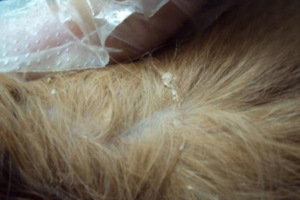
Matted fur isn't automatically a skin disease; often it just means the coat wasn't brushed. But mats trap moisture and oil, creating a breeding ground for infection, and ringworm or an old wound can also cause clumping. Regular grooming and the right ringworm care keep the skin healthy.
What a Cat Throwing Up a Hairball Looks Like
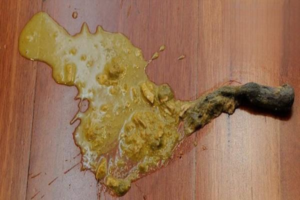
Cats swallow loose fur while grooming, and when it builds up it can form a hairball that mixes with food and irritates the stomach. Recognizing the early signs and keeping up with grooming and the right diet helps most cats avoid trouble. Persistent gagging or appetite loss means a vet visit.

Why Your Cat’s Meow Suddenly Sounds Hoarse
A cat that suddenly loses its voice or sounds hoarse usually isn't in trouble, but the cause is worth understanding. Most cases come down to attention-seeking, stress, a mild upper respiratory infection, or something caught in the throat. Watch for other symptoms before deciding whether a vet visit is needed.
Hard Lumps on a Teddy Poodle’s Skin
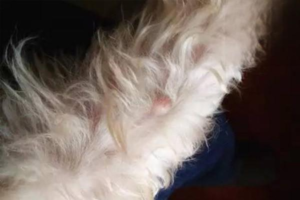
A hard lump on a Teddy can come from mites, lice, fungus, mosquito bites, allergy, or eczema, and the right fix depends on the cause. A vet skin scrape under the microscope gives a certain diagnosis, so avoid guessing with medication.
What Those Hard Lumps on a Kitten’s Head Mean
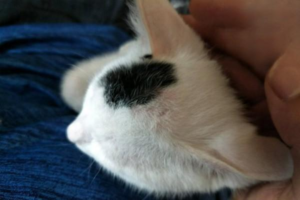
A hard, painless white lump on a kitten's head that neither grows nor fades is often a sign of ringworm. Ringworm comes from contact with fungi like Microsporum canis or Trichophyton, thriving in damp, dirty places. It causes scaly spots and hair loss, is contagious to people, and needs vet care plus topical antifungal ointment and good hygiene.

Pet Skin Diseases (Part 1): Parasitic and Fungal Infections
Skin disease is common in dogs and cats and tends to flare up and recur, usually because their skin defenses are weak and their surroundings are full of triggers. The two hardest types to clear are external-parasite infestations (fleas, lice, mites, ticks) and fungal infections (ringworm); both cause intense itching, hair loss, and skin damage and need treatment of both pet and environment. Since they are contagious and slow to resolve, early veterinary care and consistent parasite control are the keys to recovery.