Search Results
347 results for “cat lump”

Bad Habits That Put Cats at Risk of Diabetes
Feline diabetes is on the rise, and a cat's diet and feeding routine matter far more than genetics. The main driver is excess glucose from starch-heavy low-quality kibble, irregular meal timing, over-reliance on automatic feeders, and overfeeding that leads to obesity. Consistent, portion-controlled feeding habits are the key to prevention.

How Many Times a Day Should a Cat Poop?
Healthy cats defecate regularly; frequency tracks food intake. More food means more stools. Normal range depends on age and condition — here is the analysis.

What to Do About an Overweight Cat
Many owners want a plump cat, but when it's round as a ball, they worry. Overweight is surely bad for cats.

Common Eye Diseases in Dogs and Cats: Conjunctivitis, Keratitis and More
Eyes are vital to dogs and cats; disease lowers their quality of life and can cause blindness. Learn the signs and treatments of the most common eye conditions.

What If a Hamster Eats Cat Litter?
Cat litter can be used as hamster bedding, but if the hamster eats it, the clumps can choke, constipate, or form stones; switch to paper cotton and help clear any from the cheek pouches.

How to Prevent Cartilage Disease in Scottish Fold Cats
A Scottish Fold's cartilage disease is a genetic defect inherited condition, which in a sense cannot be prevented, so almost all Fold cats develop it, only with varying degrees of severity. Here we explain what this cartilage disease is about.

What Is Feline Urolithiasis (Cat Urinary Stones)?
Feline urolithiasis (urinary stones) is a painful lower-urinary-tract disease. Signs are frequent small urine, blood, genital licking, painful cries, and inappropriate urination; a blockage is fatal in 48–72 hours. Treat with catheterization, meds, water, and Rx food.

Dog and Cat Reproductive Diseases: Signs and Routine Medication
Reproductive disease in dogs and cats is less common than other ills but easily missed. This guide covers testicular, prostatic, vulvar/vaginal, uterine, and mammary/navel inflammation with the drugs that help.

Fish That Are Dangerous for Cats
Not every fish is safe for cats. Tuna depletes vitamin E and causes steatitis; squid's thiaminase triggers B1 deficiency and a wobbly gait; abalone innards cause photosensitivity dermatitis and ear necrosis; bonito's magnesium invites urinary disease. Keep these off the menu.
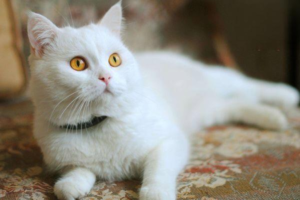
What to Do When a Cat Strains but Cannot Urinate
A cat that squats for a long time without producing urine is often a male with a blockage from infection or stones. This guide lists the common signs of feline urinary disease and the steps owners should take to get a diagnosis and relief.