Search Results
192 results for “cat loose stool”
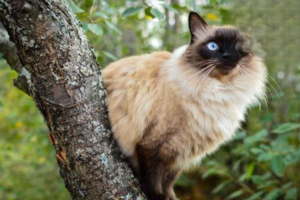
Signs Your Cat Is Sick
Cats can't speak, so observing daily details matters! Catch problems early, nip disease at the start~

Why Cats and Dogs Shed in Spring (and When to Worry)
Shedding spikes in spring and autumn as pets swap coats — that's normal. But heavy hair loss with behavior changes can signal skin disease, diet, allergies, stress, or parasites.

Best Medications for Cats with Colitis and Blood in Stool
If your cat is mentally normal with a normal temperature and no loss of appetite, but frequently passes soft or even watery stools with a foul, fishy odor, it may have colitis. Feline colitis is often related to viruses and parasites, and requires prompt identification of the cause and treatment to avoid dehydration or even death. Today we walk you through the treatment of feline colitis.

What to Do When Dogs and Cats Have Diarrhea? Keep These Fast Antidiarrheals on Hand
The medical term for diarrhea is diarrhea, which usually refers to changes in bowel habits and stool characteristics, generally manifested as frequent defecation, increased stool volume, loose stools, and bloody stool. Most diarrhea in dogs and cats is caused by gastrointestinal discomfort, but it may also be a concurrent symptom of other diseases. Today we discuss knowledge about diarrhea in dogs and cats.

Cat Colitis: Symptoms & How to Treat
Cat colitis starts with normal appetite but frequent soft, bloody, foul stools and can progress to watery sprayed diarrhea. Home care uses amoxicillin and bismuth; prescription care may add atropine, gentamicin, or fluids.

Gastroenteritis in Dogs and Cats: Types, Symptoms & Medication
Gastroenteritis in dogs and cats spans gastritis (acute/chronic) and enteritis (viral, bacterial, parasitic). This guide covers causes, symptoms, and the medication approach—anti-inflammatories, anti-vomiting, anti-diarrhea, dewormers, probiotics—plus prevention.

Why Does Your Cat Have Frequent Diarrhea?
Cat diarrhea has many causes: overeating or hard-to-digest food, gastritis/enteritis, parasites (roundworm, tapeworm, coccidia), congenital enzyme lack, tumors (hepatitis, pancreas), and vitamin/mineral deficiency or toxic plants like lilies.

Why Is Your Cat Throwing Up Yellow Liquid, and What to Do?
Yellow vomit is mostly hairballs. Occasional vomiting is normal, but frequent hair vomiting means hairball syndrome—a blockage risk. Fix it by brushing often and growing cat grass; never shave the cat.

Several Causes of Retching in Cats
Cats retch from hairballs, swallowed objects, dehydration, or intestinal parasites. See a vet for diagnosis and treatment, since a cat's stomach is easily damaged.

What to Do When a Cat Has Soft Stools
Soft stools in cats usually come from gastroenteritis, parasites, poor digestion, or seasonal infections. Fix them with probiotics, deworming, a proper diet, and a vet visit if they persist.