Search Results
8 results for “cat litter ingestion”
Two-month-old kitten with blood in stool, suspected cat litter ingestion, prolapse from diarrhea, vomiting; corona virus weakly positive at the clinic, diagnosed with gastroenteritis
Blood in the stool and vomiting in a young kitten call for ruling out panleukopenia and parasites. With weak corona positivity it may be corona virus enteritis or a foreign-body issue; follow the vet's plan.

Can Cat Hookworms Infect Humans?
Hookworm is a tiny nematode about 1-2 mm long living in the duodenum of the small intestine. It attaches to the intestinal wall with six hook-like teeth and feeds mainly on blood, causing anemia in cats. Hookworm is relatively common in dogs, less in cats.

What to Do About a Cat That Meows and Bites
Most want a cat for its cuteness, but living with one brings troubles—midnight meowing, biting, and more—known only after cohabiting.
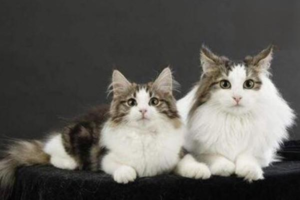
What to Do When a Cat Vomits After Eating Cat Litter
Vomiting after a cat eats litter is usually acute gastroenteritis from gut irritation. Soothe the gut, fix the litter-eating habit, and see a vet if vomiting continues—supportive home care includes short fasting and small, frequent bland meals.

What If Your Cat Licks Rubbing Alcohol?
A small lick of rubbing alcohol usually does little harm—watch your cat's appetite, mood, and litter habits, and if nothing is odd, it is fine. But cats cannot metabolize alcohol, so a larger amount damages the liver and other organs and needs urgent veterinary care: induced vomiting and stomach flushing. For wounds, clean with povidone-iodine (gentler than alcohol) and fit an Elizabethan collar so the cat cannot lick the site. Store alcohol and other irritants where cats cannot reach them. Knowing the dose is what decides whether a lick is harmless or an emergency.

White Crested Guinea Pig
The White Crested guinea pig, also called the white-crested Dutch pig or cavy, is gentle, alert, and lively like many guinea pigs, making it a great household pet. Its defining feature is an all-white body with a crest-like swirl of hair on the head.

Flemish Giant
The Flemish Giant is the largest pet rabbit breed in existence today, originally from Belgium and later developed through breeding programs in the United States. Though a giant by rabbit standards, it is kept as a gentle family companion, but its large size and hearty appetite make it best suited to owners with plenty of space.

Canine and Feline Toxoplasmosis: Symptoms, Treatment, and Prevention
Toxoplasmosis is caused by Toxoplasma gondii, with cats as the definitive host; dogs and cats are often silently infected but can develop respiratory and nervous signs. It is treated with sulfonamide-based anticoccidial therapy.