Search Results
60 results for “cat licking paws”
My dog suddenly grew a scar by its paw pad and it got redder after a few days of medication
From the photo this looks like interdigital dermatitis; keep the paws dry and clean. Clean with saline, apply an antibacterial ointment and limit walking. Drain any pus first, and use an Elizabethan collar to stop licking.
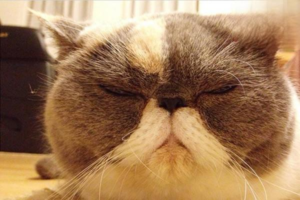
Should You Dress Your Cat in Clothes?
In most cases, dressing a cat is not advised. Their fur already insulates them, and clothing only gets in the way. The main reasons are restraint, lost agility, poor ventilation, and health effects, with one winter exception.
How long after birth can a kitten defecate on its own?
A kitten self-defecates after 1 month; under 1 month the mother stimulates by licking. After 1 month it learns the box from her, usually without teaching. Without her, put feces in the box and move its paws to bury, training in a few tries.
My cat’s paw pads are red and swollen but it eats and drinks normally; no visible injury, what should I do?
Red swollen paw pads can come from a foreign object, interdigital dermatitis or licking dermatitis. An Elizabethan collar and a vet check help.
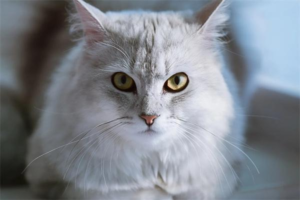
How Cats React After Misbehaving, and How They Apologize
After a mistake a cat may hide and watch, act pitiful, roll, stretch, over-groom, or meow first. They apologize by cornering themselves, crying, showing the belly, acting cute, rubbing you, bringing a favorite toy, or licking your hand.
Is Your Cat More Sensitive to Cold or Heat? What Every Owner Should Know
A cat's normal body temperature is 37.5–39.2°C, and its limited sweat glands make it far better at handling cold than heat. Heat stress can set in above 38°C (panting, lethargy, drooling, even collapse), while most cats feel cold below 10°C — kittens, seniors, and short-haired breeds need extra warmth. Keep the home between 16–21°C and warm the bed in winter.

What Causes Stress in Cats
Cat stress comes from many things: environment changes, lack of company, noise, broken routines, household conflict, and health issues. Keep the home stable and quiet, stick to a routine, respect its boundaries, and see a vet if urination, appetite, or vomiting problems appear.
How to Tell If Your Cat Is Happy at Home
A relaxed, content cat shows it in small ways: sleeping in odd poses, following you around, holding its tail high, the occasional mad dash, and kneading with its paws. Reading these signals helps you know your cat truly feels safe.
What Does It Mean When a Cat Stares at You?
A cat that stares may simply be curious, gathering information about your habits. If it brings a toy and stares, or jumps on your desk and paws your hand while you work, it likely wants play. But a fixed stare with dilated pupils, ears back, a tense body, and a flicking tail means it feels threatened and is on guard. Read the full body language — ears, tail, posture — and the situation to judge, then meet the need.

Why Do Cats Roll on the Floor?
A cat rolling on the ground can mean play, happiness, self-grooming, a bid for attention, stress relief, or itchy skin from parasites. Context matters: if the rolling is paired with scratching or skin irritation, check for fleas and treat promptly; if it is purely attention-seeking, more interaction solves it.